
Wat Arun: The Temple of Dawn's Dazzling Beauty
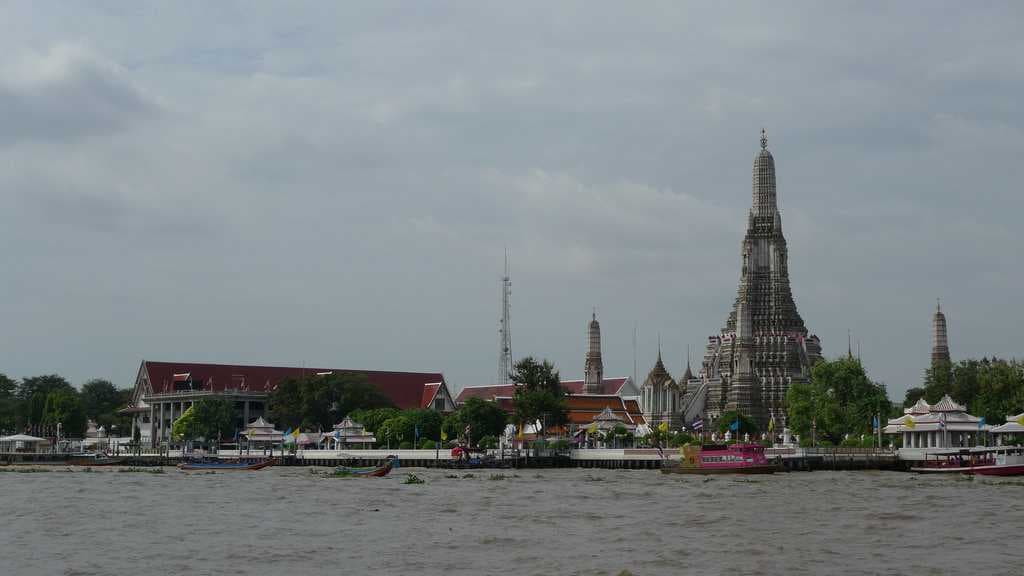
Towering majestically over the banks of the Chao Phraya River, Wat Arun, also known as the Temple of Dawn, is an unmissable landmark in Bangkok. Its unique architecture and historical significance make it a must-visit for any traveler.
A Beacon of Light:
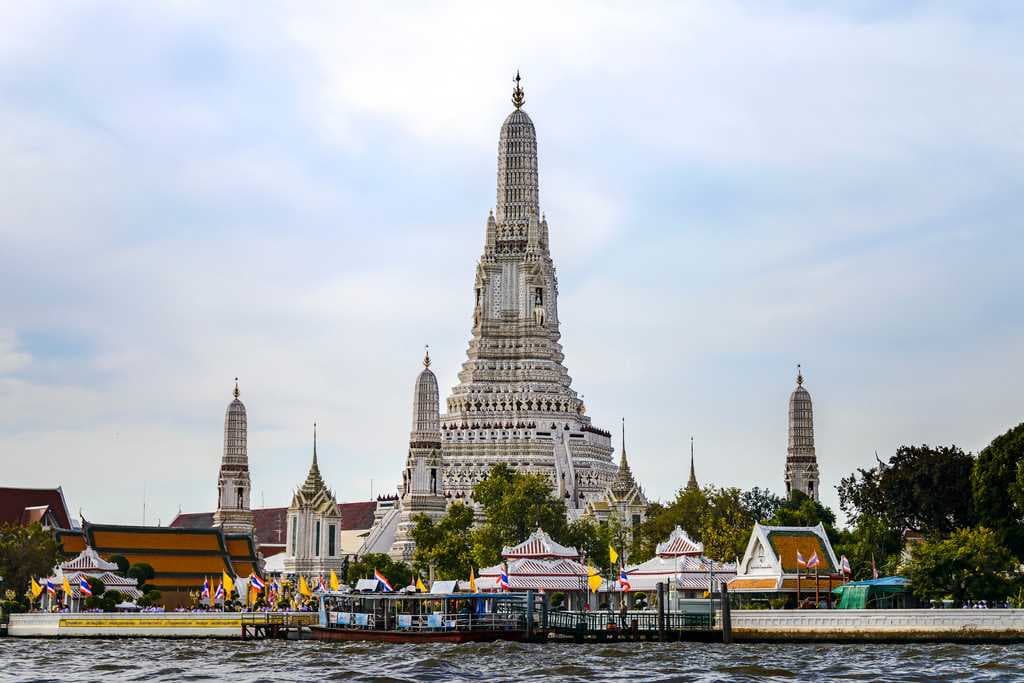
- Named after the Hindu god of dawn, Aruna, Wat Arun's most striking feature is its central prang (spire).
- Clad in colorful porcelain shards that shimmer in the sunlight, the prang reaches an impressive height, with estimates ranging between 66 and 86 meters (219-282 ft).
- Flanking the central prang are four smaller prangs, creating a visual symphony.
A Blend of Styles:
- Unlike many Bangkok temples, Wat Arun boasts a distinctive architectural style.
- Khmer influences are evident, with the spires reminiscent of Cambodian temple architecture.
- The use of porcelain decoration reflects Chinese influence, a testament to the historical trade routes that brought these materials to Thailand.
A Walk Through History:
- Wat Arun's history stretches back centuries, though the iconic prang was constructed in the early 19th century.
- The temple briefly housed the Emerald Buddha, Thailand's most revered Buddha image, before it was moved to the Grand Palace.
- Exploring the temple grounds, you'll encounter statues, shrines, and intricate details that whisper stories of Thailand's rich past.
Tips for Your Visit:
- Wat Arun is open daily, and a modest entrance fee applies.
- Dress respectfully, with shoulders and knees covered.
- The climb to the top of the prang can be steep, so wear comfortable shoes.
- Consider visiting early morning or later afternoon to avoid peak crowds and capture the temple bathed in the soft light of dawn or dusk.
Wat Arun is a captivating blend of religious significance, artistic mastery, and historical intrigue. Add it to your Bangkok itinerary and prepare to be dazzled by the Temple of Dawn's brilliance.