


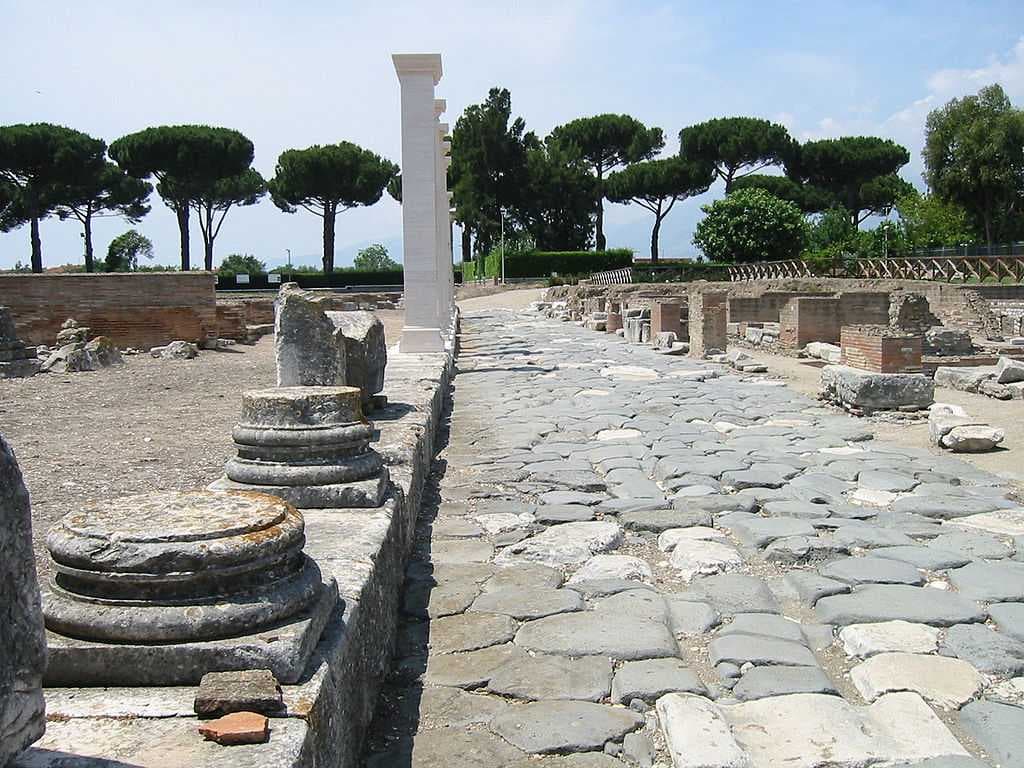

The Appian Way: A Journey Through Time
The Appian Way, or Via Appia Antica, is an ancient Roman road that has witnessed centuries of history unfold. Stretching from Rome to Brindisi, it served as a vital artery for the Roman Empire, connecting the capital to its southern territories.
A Glimpse into the Past:
- Construction and Purpose: Begun in 312 BC, the Appian Way was a marvel of Roman engineering, built to facilitate military movements and trade. Its solid construction, using large basalt blocks, ensured its longevity.
- Historical Significance: The road has been witness to countless historical events, from the passage of Roman legions to the travels of emperors and popes. It also played a crucial role in the spread of Christianity, with many early Christians buried along its route.
- Architectural Marvels: Along the Appian Way, you'll find a wealth of historical sites, including:
- Catacombs: Underground burial chambers used by early Christians.
- Tombs: Elaborate mausoleums and tombs of prominent Romans.
- Aqueducts: Ancient water supply systems that once carried water to Rome.
- Churches: Historic churches and basilicas, some dating back to the early Christian era.
A Modern-Day Experience:
Today, the Appian Way offers a unique opportunity to step back in time and experience the grandeur of ancient Rome. Walking or cycling along its cobbled surface, you can imagine the legions marching, the chariots racing, and the bustling activity of a bygone era.
Tips for Visiting:
- Best Time to Visit: Spring and autumn offer pleasant weather for exploring the Appian Way.
- Getting There: The Appian Way is easily accessible by public transportation from Rome.
- What to Bring: Comfortable shoes, water, and sunscreen are essential for a day of exploration.
- Guided Tours: Consider joining a guided tour to learn more about the history and significance of the Appian Way.
Whether you're a history buff, an architecture enthusiast, or simply seeking a unique travel experience, the Appian Way offers a captivating journey through time.
Appian Way, Rome