
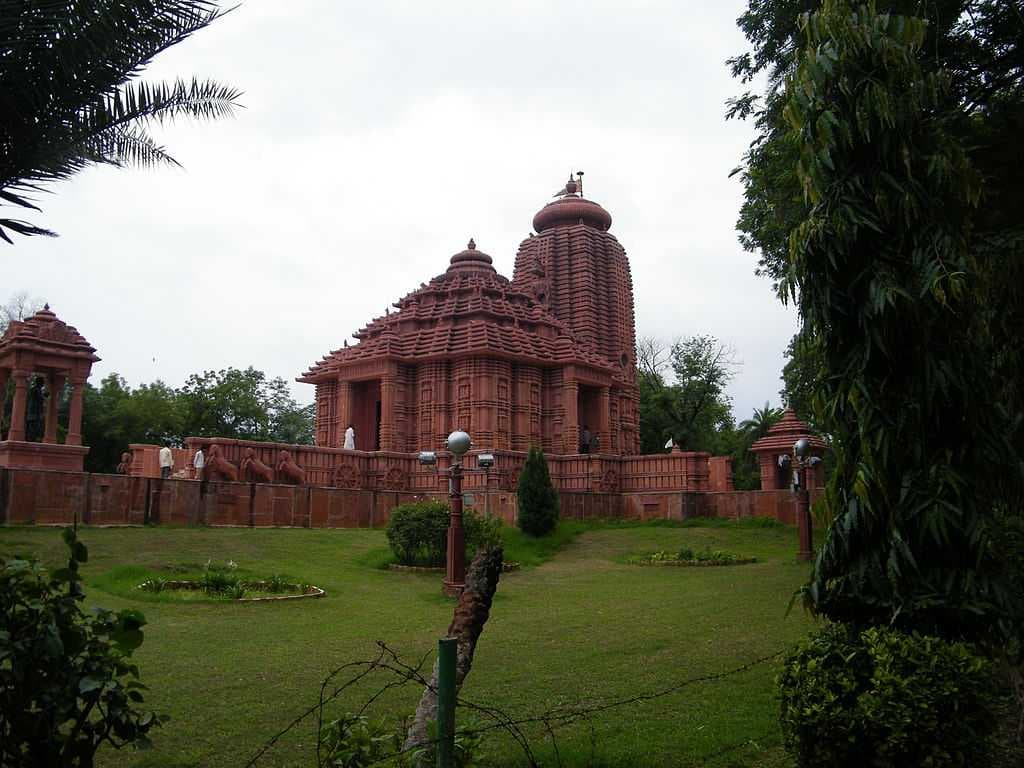


The Sun Temple, also known as Surya Mandir, is a relatively modern architectural marvel located in the city of Gwalior, Madhya Pradesh, India. Built in 1988 by the industrialist G.D. Birla, the temple is a homage to the iconic Sun Temple in Konark, Odisha.
The Surya Mandir's dazzling beauty comes from its contrasting use of red sandstone on the exterior and white marble adorning the interiors.
Here's a glimpse of what awaits you on a visit to the Sun Temple:
- A Chariot for the Sun God: The temple's design is based on a chariot, a symbolic representation of the Sun God Surya's ride across the sky. The facade resembles tiered chariot slots rising to a peak.
- Exquisite Carvings: The red sandstone exterior is embellished with intricate carvings depicting various Hindu deities.
- Seven Horses and 24 Wheels: Seven powerful horses, symbolizing the days of the week, pull the chariot. The 24 chariot wheels represent the hours in a day.
- 365 Idols: A truly unique feature is the presence of 365 idols within the temple complex, signifying the days of a year.
- Inner Sanctum: Ensconced within the sanctum sanctorum is a beautiful idol of Lord Surya.
- Serene Ambiance: Lush green gardens surround the temple, creating a tranquil atmosphere that is perfect for prayer and meditation.
While the Sun Temple may not boast a long history, its architectural splendor and religious significance make it a popular pilgrimage and tourist destination.
Here are some additional tips for planning your visit to the Sun Temple:
- The temple is open from sunrise to sunset.
- The best time to visit is during the winter months (October to March) to avoid the scorching summer heat.
- The temple is easily accessible by auto rickshaw, taxi, or bus from Gwalior city.
- Appropriate attire that covers shoulders and knees is recommended.
- Photography is allowed within the temple complex.
A visit to the Sun Temple is a delightful experience that combines religious devotion, cultural immersion, and appreciation for exquisite architecture.