
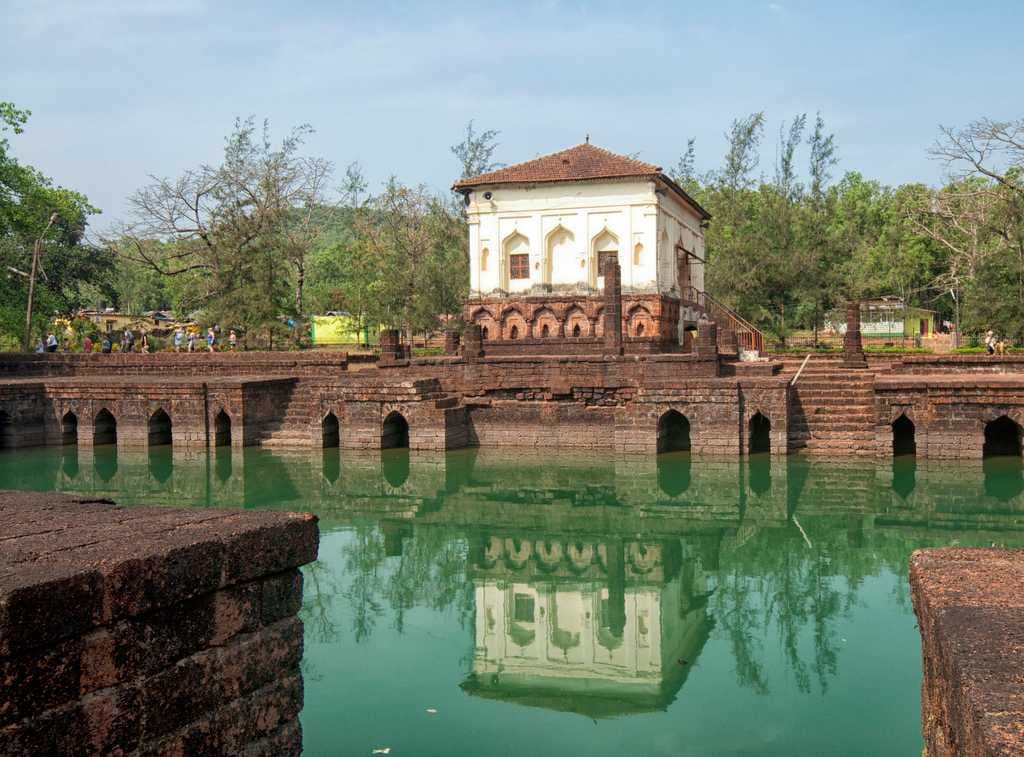

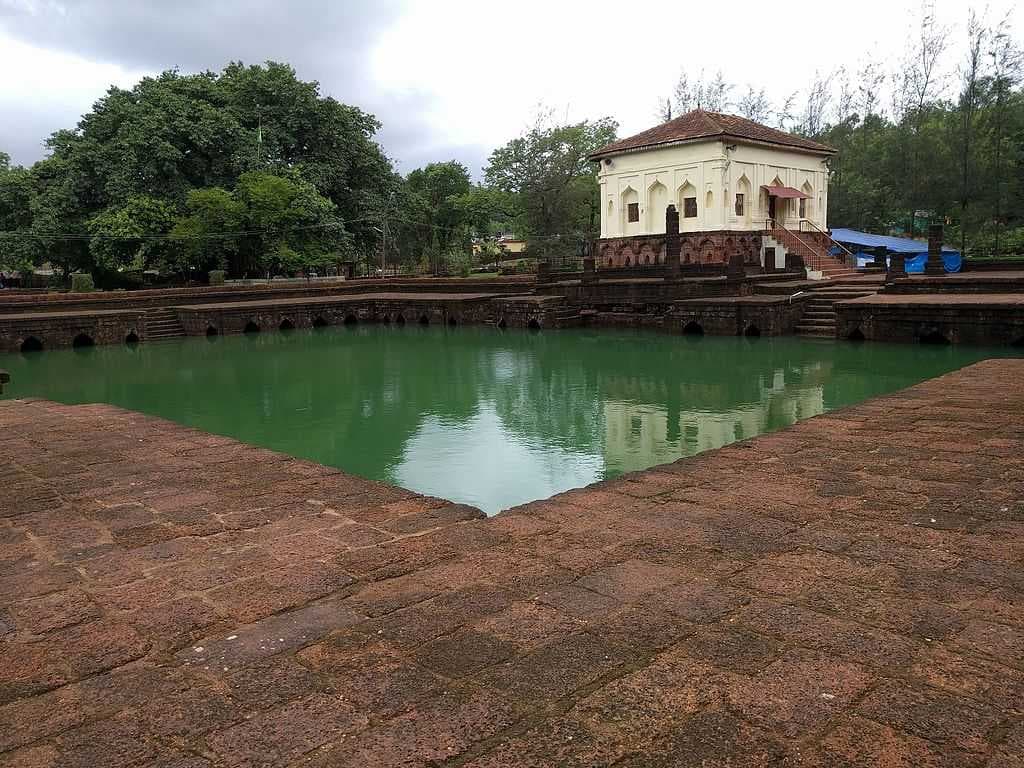
The Safa Shahouri Masjid, also known as the Safa Masjid, is a historical mosque located in Ponda, Goa, India. It's a significant landmark that provides a glimpse into the region's diverse cultural and religious heritage.
- Historical Context:
- The mosque is believed to have been built in 1560 by Ibrahim Adil Shah I of the Bijapur Sultanate.
- It stands as one of the few surviving Islamic structures from the pre-Portuguese era in Goa.
- During the Portuguese colonial period, the mosque faced damage, and it has undergone partial restoration.
- It is a monument of national importance, and is protected by the Archaeological Survey of India.
- Architectural Features:
- The Safa Masjid exhibits a simple and elegant architectural style, reflecting Indo-Islamic influences.
- It features a rectangular prayer hall with a traditional terracotta tile roof.
- A notable feature is the large masonry water tank (hauz) located adjacent to the mosque, which includes small chambers with "meharab" designs.
- The design of the mosque, is very simplistic, and not overly decorated.
- Location and Atmosphere:
- The mosque is situated in Ponda, an inland town in Goa.
- It offers a serene and peaceful atmosphere, providing a contrast to the bustling tourist areas of coastal Goa.
- The surrounding area is generally very green, which adds to the tranquil feeling of the location.
- Travel Considerations:
- Ponda is accessible by road, and the Safa Masjid is a prominent landmark in the area.
- When visiting, it's essential to respect the religious significance of the site.
- The location is a good place to visit, for people interested in the history of Goa, and the mixing of its various cultures.
- The mosque is a place of active worship, so please be respectful of those praying.
In essence, the Safa Shahouri Masjid is a valuable historical and cultural site that showcases the Islamic heritage of Goa.