
The Pantheon: A Monument to French Grandeur
The Pantheon, a majestic neoclassical structure nestled in the heart of Paris' Latin Quarter, stands as a testament to French history and culture. Originally conceived as a church dedicated to Saint Genevieve, it has since evolved into a secular mausoleum, honoring eminent figures who have significantly contributed to France's legacy.
Architectural Marvel
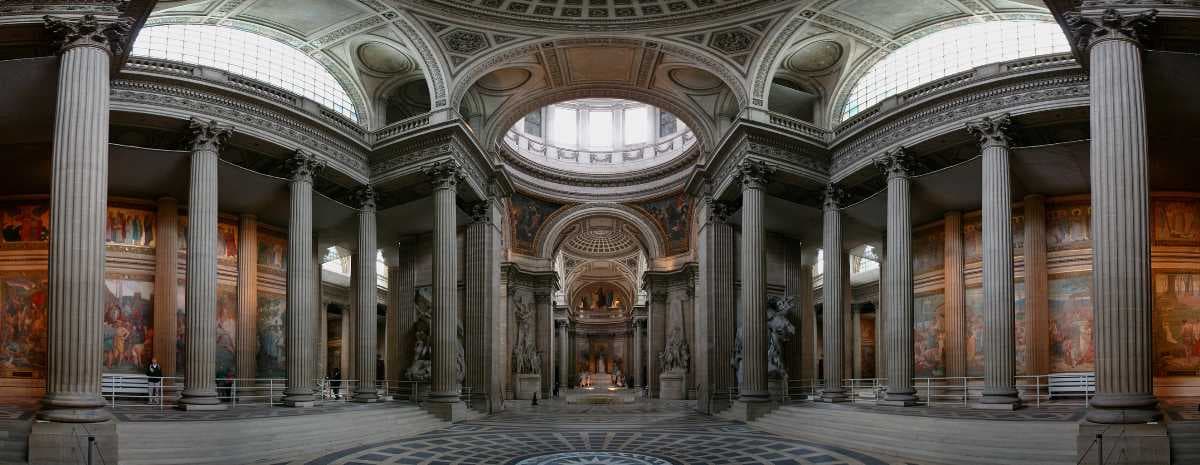
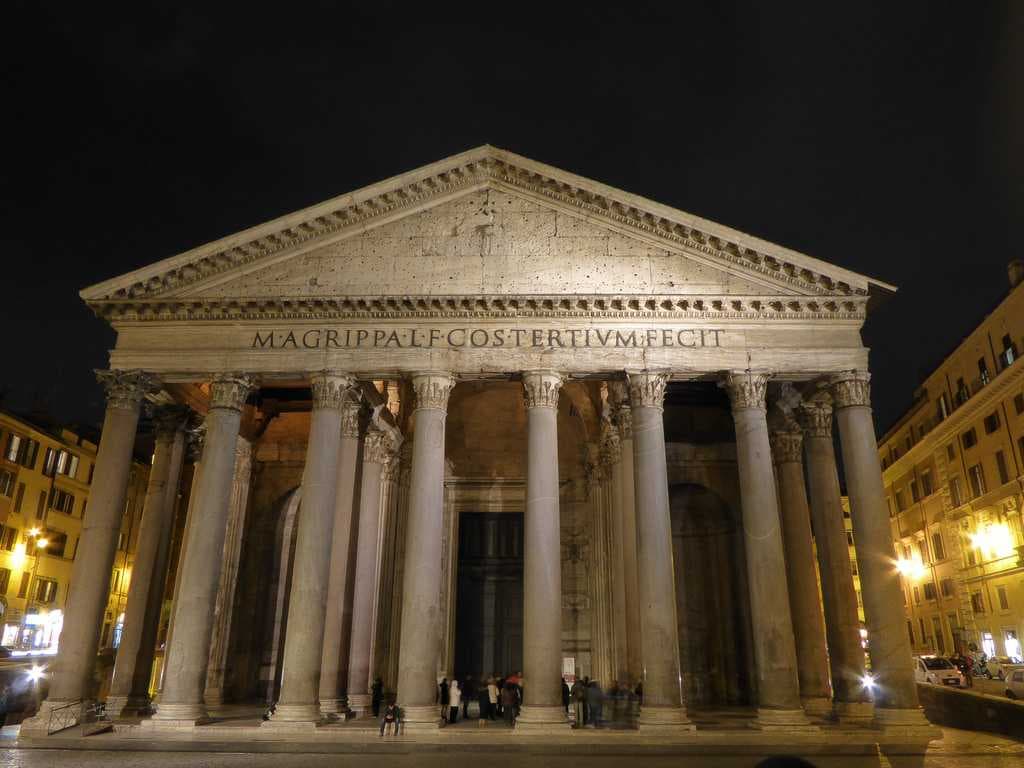
The Pantheon's imposing facade, adorned with Corinthian columns and a grand pediment, is a sight to behold. Its soaring dome, inspired by the Pantheon in Rome, dominates the skyline, offering breathtaking views of the city from its summit. Step inside, and you'll be awestruck by the grandeur of the interior, with its lofty arches, intricate frescoes, and stained-glass windows.
A Crypt of Honor
Beneath the main floor lies the crypt, a hallowed space where the remains of illustrious French citizens rest. Among the luminaries interred here are Voltaire, Rousseau, Marie Curie, and Victor Hugo, each a symbol of intellectual and scientific brilliance.
A Symbol of Enlightenment
The Pantheon embodies the spirit of the Enlightenment, a period of intellectual and cultural ferment that shaped modern France. Its inscription, "Aux grands hommes, la Patrie reconnaissante" ("To great men, the grateful Fatherland"), reflects the nation's gratitude for the contributions of its most celebrated sons and daughters.
A Must-See for Every Visitor
Whether you're a history buff, an architecture enthusiast, or simply seeking a glimpse into the soul of France, the Pantheon is an unmissable destination. Its grandeur, symbolism, and historical significance make it a truly unforgettable experience.
Would you like to know more about the Pantheon, or perhaps another Parisian landmark?