
Khusro Bagh: A Mughal Oasis in Allahabad
Nestled amidst the bustling city of Allahabad (now Prayagraj), Uttar Pradesh, lies Khusro Bagh, a tranquil walled garden whispering tales of Mughal grandeur. Spread over 40 acres, this majestic quadrangle boasts not just verdant beauty but also houses the final resting places of Mughal royalty.
Architectural Grandeur
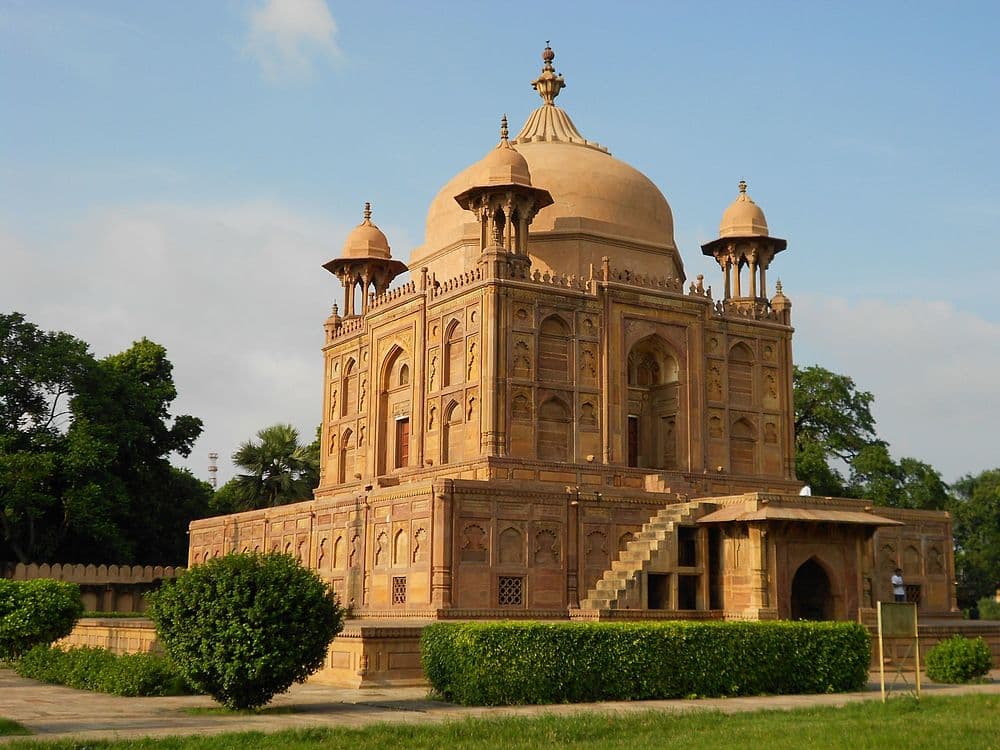
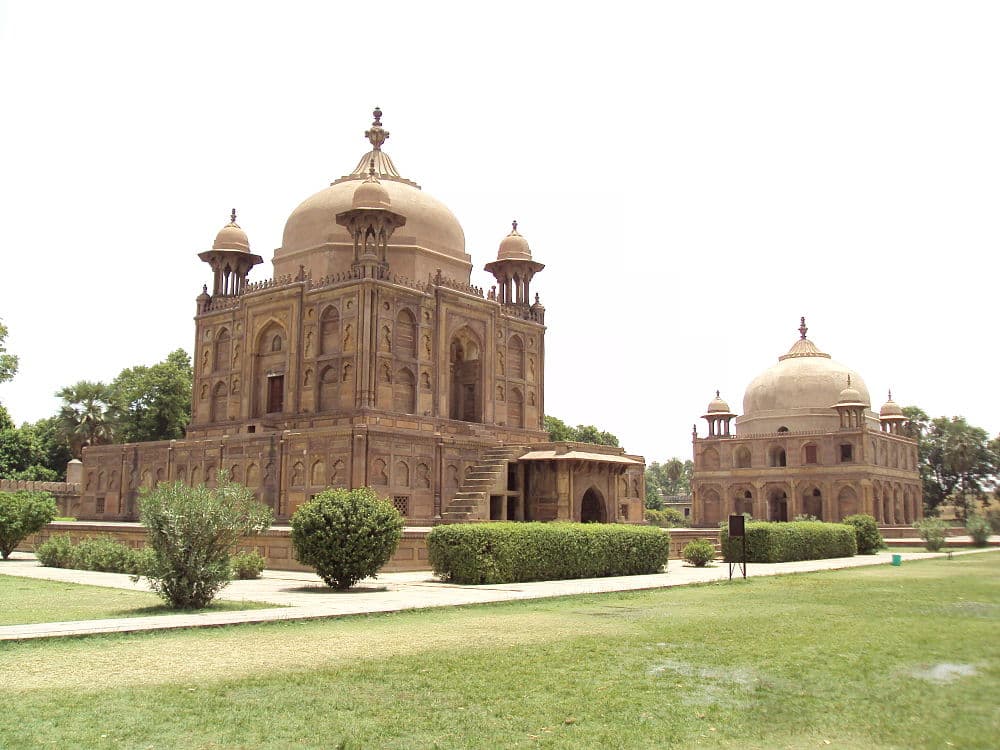
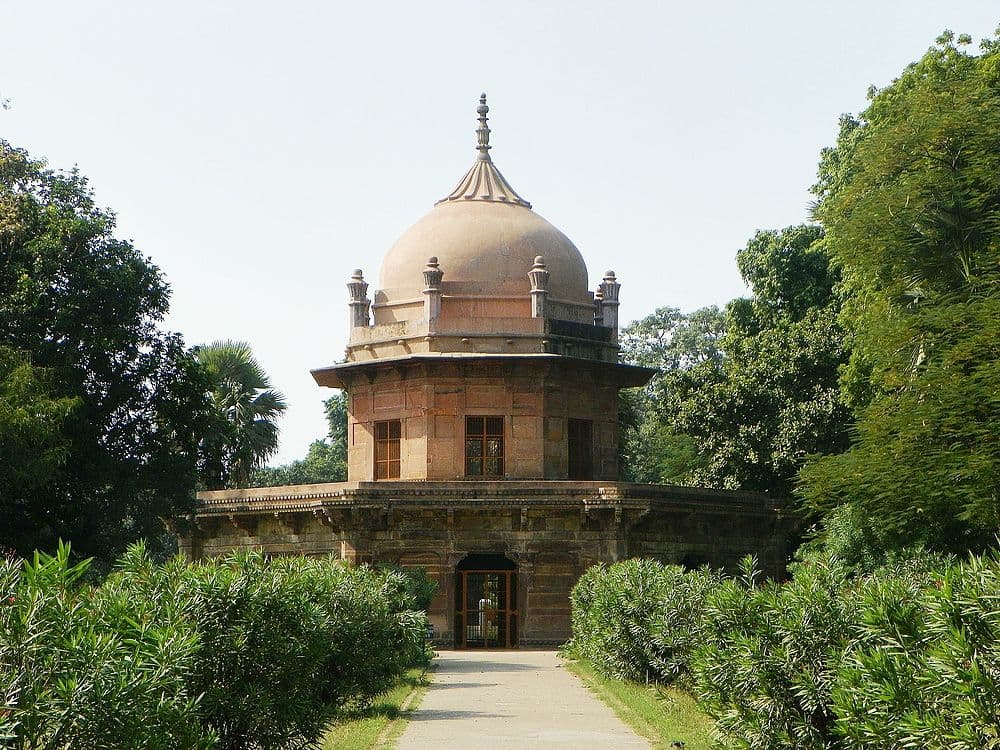
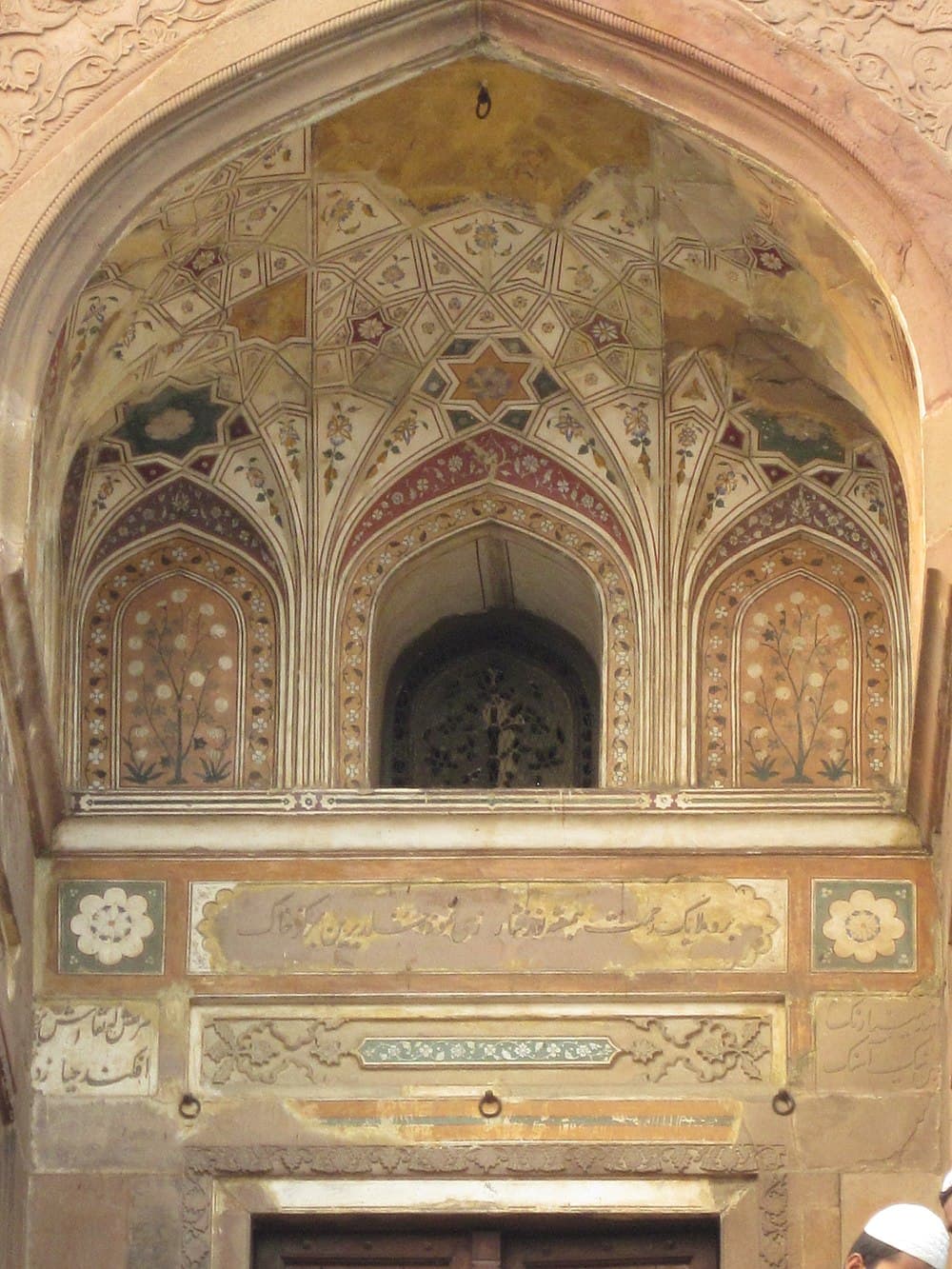
As you enter the Bagh (garden), red sandstone tombs rise before you, testaments to Mughal artistry. The most prominent belongs to Shah Begum, wife of Emperor Jahangir. Its three-tiered structure, intricate fretwork windows, and elegant chhatri (domed pavilion) are attributed to Aqa Reza, Jahangir's court artist. Adjacent lies the tomb of Jahangir's eldest son, Prince Khusrau Mirza. Completed in 1622, it embodies the refined Mughal style with its symmetrical design and detailed carvings. Interestingly, a smaller tomb nearby is believed to be that of Khusrau's beloved mare.
A Sister's Tomb and a Rebellion's Mark
Next to Khusrau's tomb stands the mausoleum of his sister, Princess Nithar Begum. Unlike the others, it's a beautiful paradox - built on her instructions but curiously empty. The reasons behind this remain shrouded in history.
Beyond its historical significance, Khusro Bagh also played a role in the Indian Rebellion of 1857. For a brief period, it became the headquarters of the sepoys fighting against British rule.
A Timeless Legacy
Today, Khusro Bagh stands as a well-preserved monument, a fusion of Mughal architecture and landscaped beauty. It's a perfect getaway for history buffs and nature lovers alike, offering a glimpse into a bygone era amidst the serenity of its gardens.