

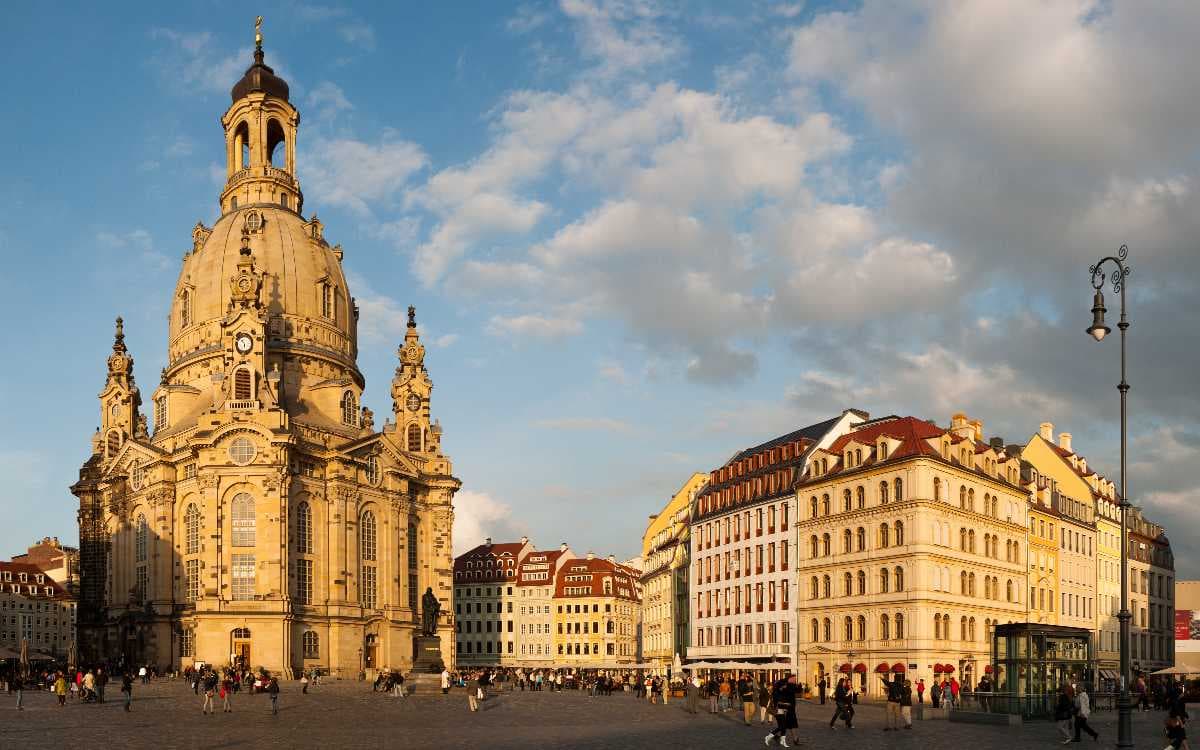
The Frauenkirche (Church of Our Lady) in Dresden, Germany, is a poignant symbol of both destruction and resurrection.
A Monumental History:
- Baroque Beauty: Originally built in the 18th century, the Frauenkirche was a masterpiece of Baroque architecture, renowned for its intricate dome, one of the largest sandstone domes in the world.
- World War II Devastation: During the Allied bombing of Dresden in 1945, the church was reduced to rubble, leaving a haunting scar on the city's landscape.
- A Symbol of Hope: After the war, the ruins stood as a somber memorial. However, in 1994, a remarkable effort began to meticulously reconstruct the church, using original stones and traditional techniques.
- Rebirth and Renewal: Completed in 2005, the reconstructed Frauenkirche stands as a testament to the resilience of the human spirit and a symbol of hope for the future.
A Must-See Experience:
- Architectural Marvel: The church's interior is awe-inspiring, with its soaring dome, intricate stonework, and serene atmosphere.
- Historical Significance: Explore the poignant history of the church, from its construction to its destruction and eventual rebirth.
- Panoramic Views: Climb the dome for breathtaking panoramic views of Dresden.
- Cultural Hub: The Frauenkirche hosts regular concerts, services, and events, offering a vibrant cultural experience.
Planning Your Visit:
- Location: Situated in the heart of Dresden, the Frauenkirche is easily accessible by public transportation.
- Hours: Check the official website for current opening hours, as they may vary.
- Admission Fees: There is a small entrance fee to access the dome and interior.
A Journey of Remembrance and Inspiration:
A visit to the Frauenkirche is a moving and unforgettable experience. It's a place where history, architecture, and human resilience converge, offering a profound reflection on the past and a hopeful vision for the future.