


Journey to a Mughal Marvel: Fatehpur Sikri
Nestled 37 kilometers west of Agra, Fatehpur Sikri, translating to "City of Victory," beckons with its rich history and captivating architecture. Built in the 16th century by Mughal emperor Akbar, this UNESCO World Heritage Site served briefly as the empire's capital before being abandoned due to water scarcity.
A Walk Through Time
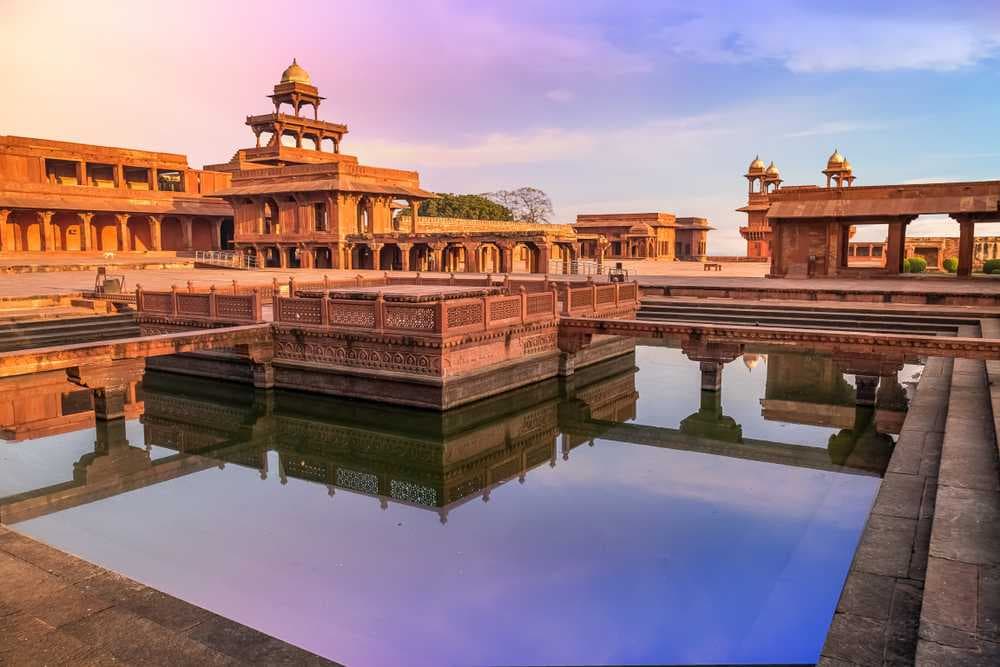
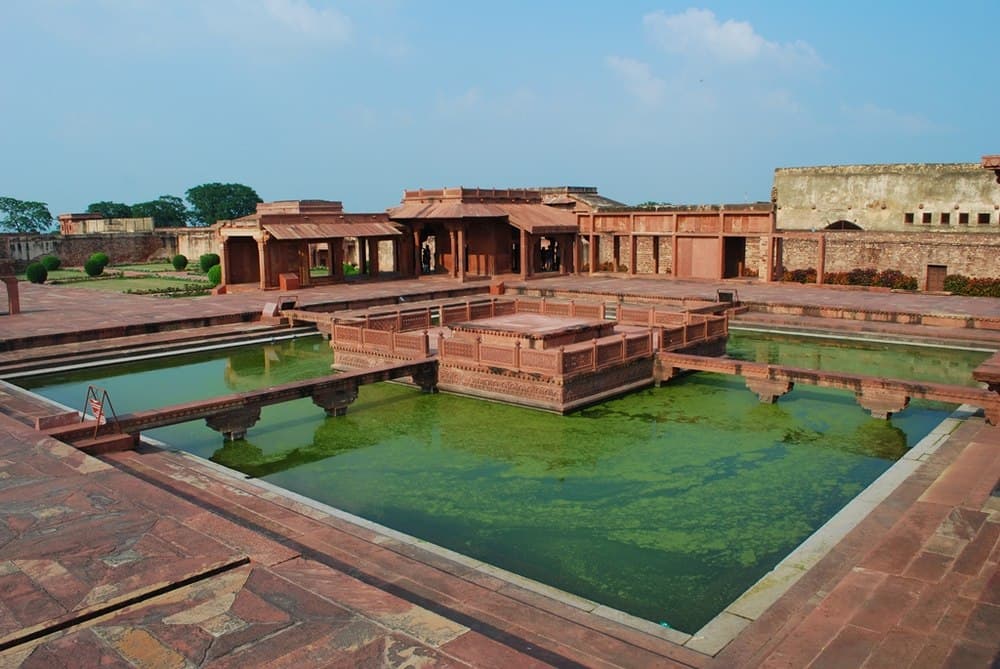
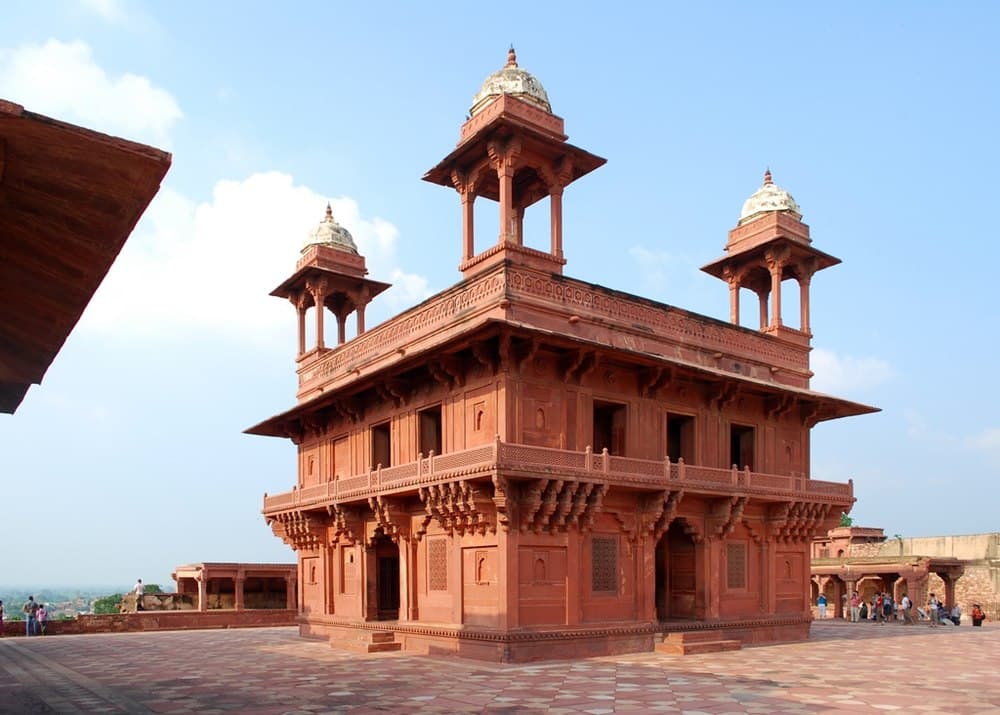
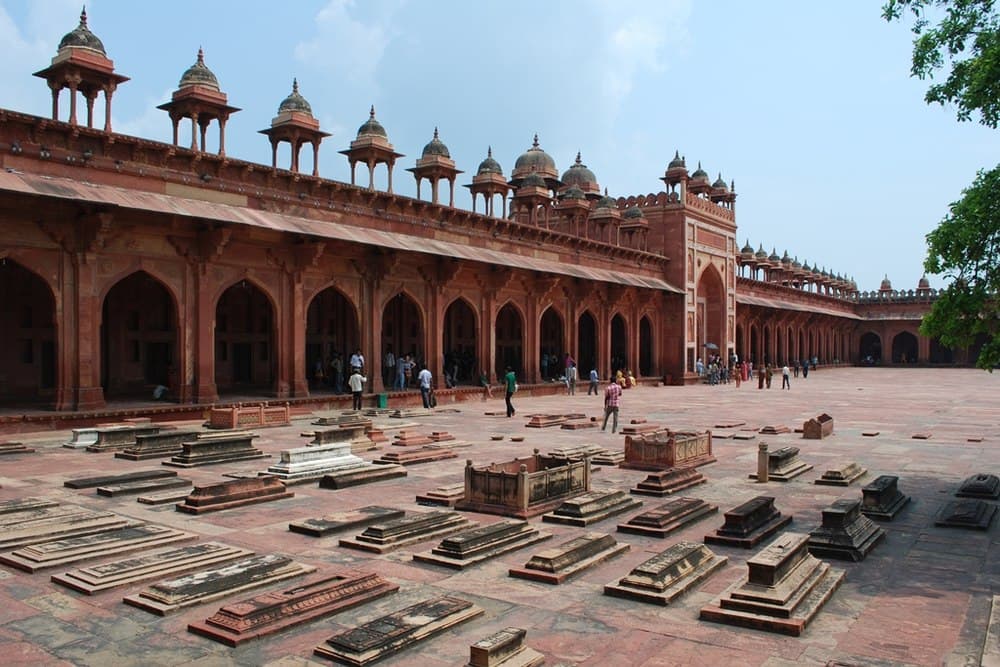
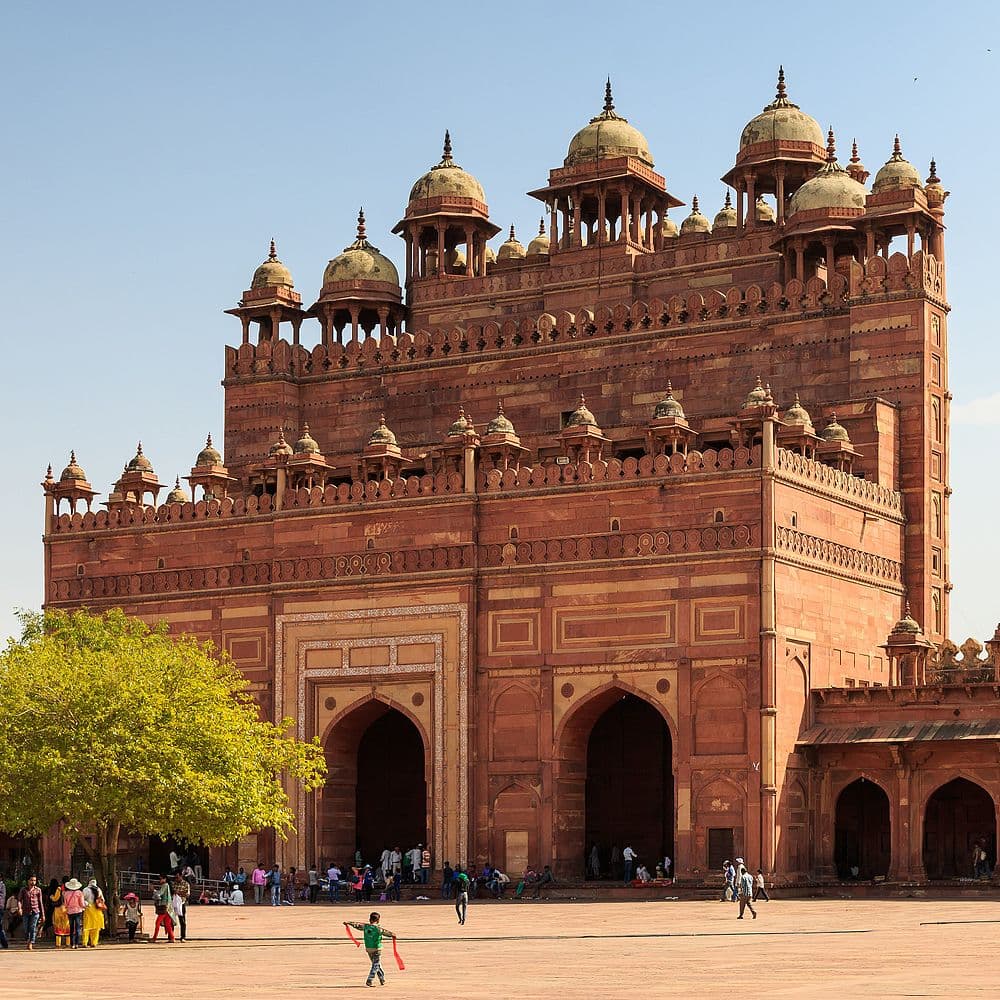
Fatehpur Sikri is a photographer's paradise. Imagine yourself walking through a red sandstone city, its grandeur whispering tales of a bygone era. Buland Darwaza, the world's highest gateway, serves as a majestic entryway, leading you to the Jama Masjid, one of India's largest mosques.
Architectural Fusion
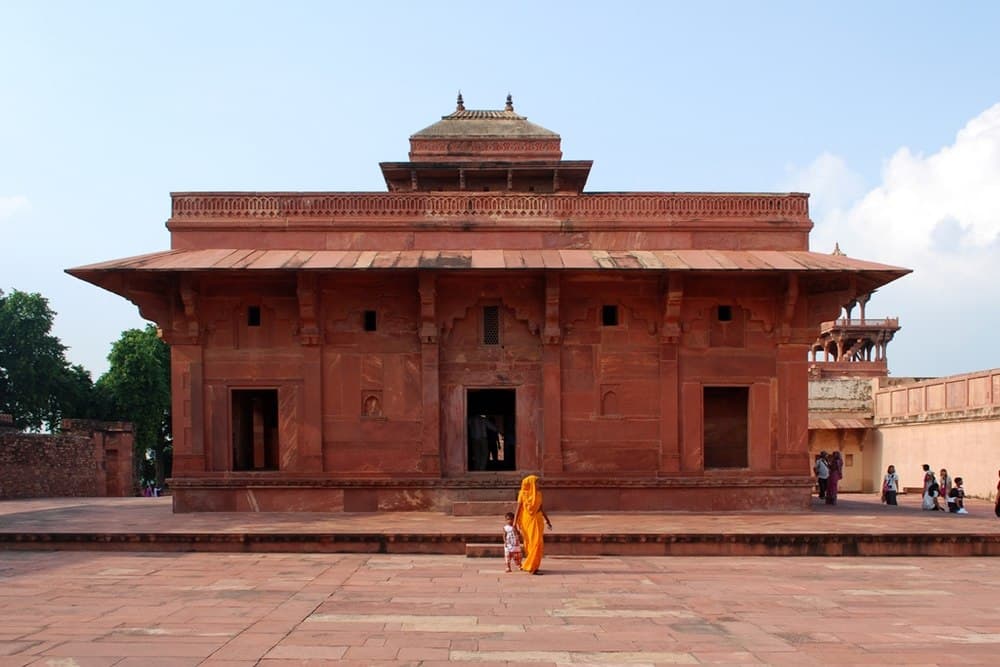
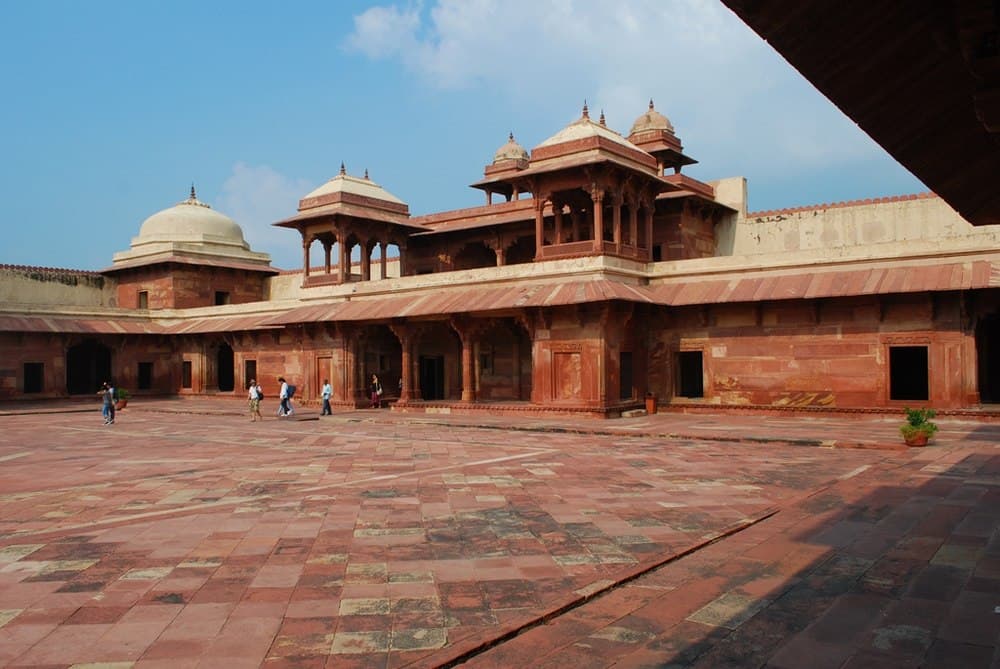
Akbar's tolerant reign is reflected in the city's architecture. Witness the beautiful blend of Islamic and Hindu styles at Jodha Bai's Palace, a captivating fusion of Akbar's love for his empress and his embrace of diverse faiths. Don't miss the iconic Panch Mahal, a five-story marvel offering panoramic views of the complex.
A Sufi Saint's Legacy
Fatehpur Sikri's spiritual heart lies in the tomb of Salim Chishti, the Sufi saint who prophesied the birth of Akbar's heir. The intricate marble carvings on the tomb are a testament to the Mughal era's artistic brilliance.
Tips for Travelers
- The best time to visit Fatehpur Sikri is between October and March, to avoid the scorching summer heat.
- Comfortable walking shoes are recommended, as the complex is vast.
- Consider hiring a guide to delve deeper into the city's history and stories.
- While photography is allowed, be mindful of proper decorum inside religious sites.
Fatehpur Sikri is more than just a historical monument; it's a captivating tapestry woven with architectural wonders and a glimpse into the heart of the Mughal empire. So, pack your bags and embark on a journey to this "City of Victory" for an unforgettable experience.