


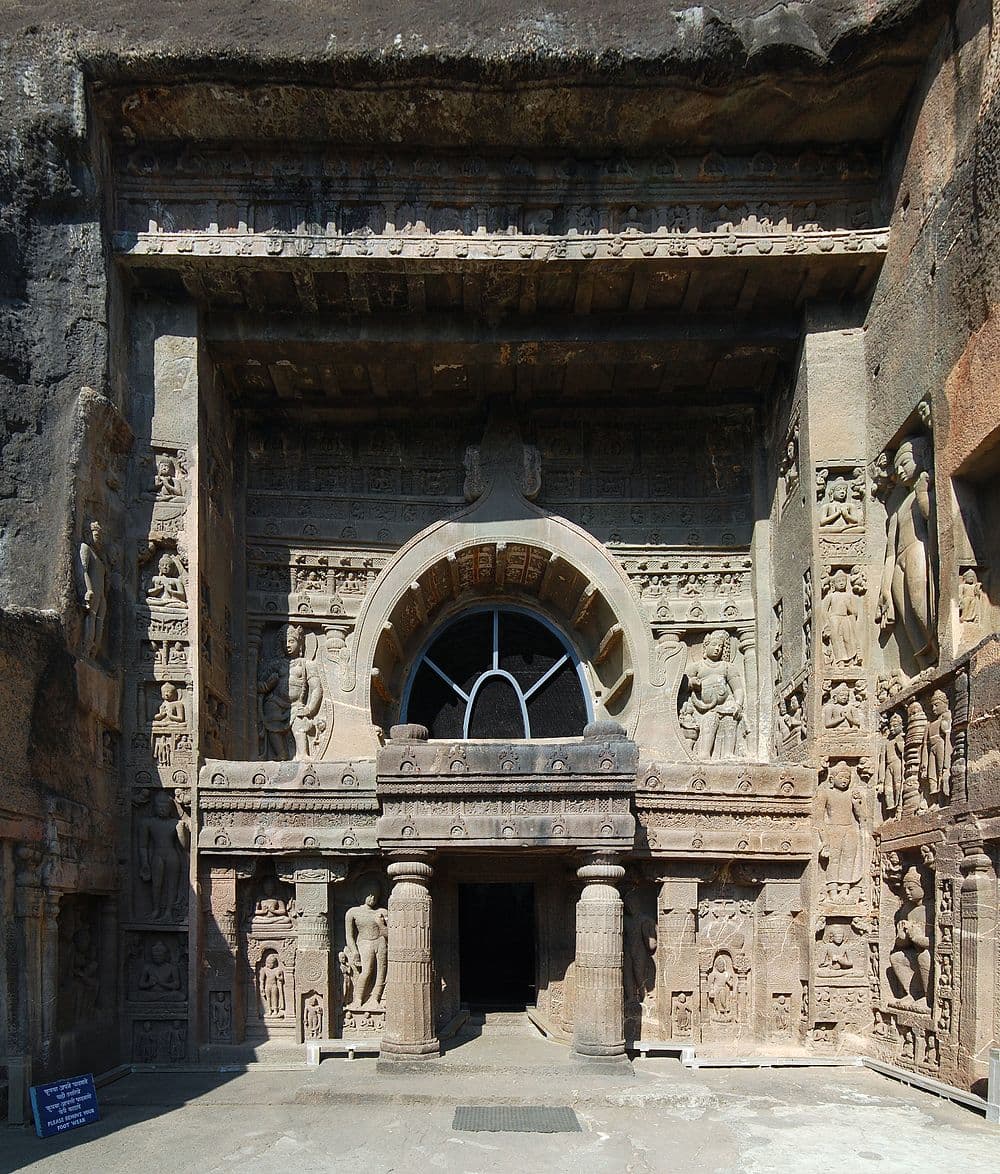
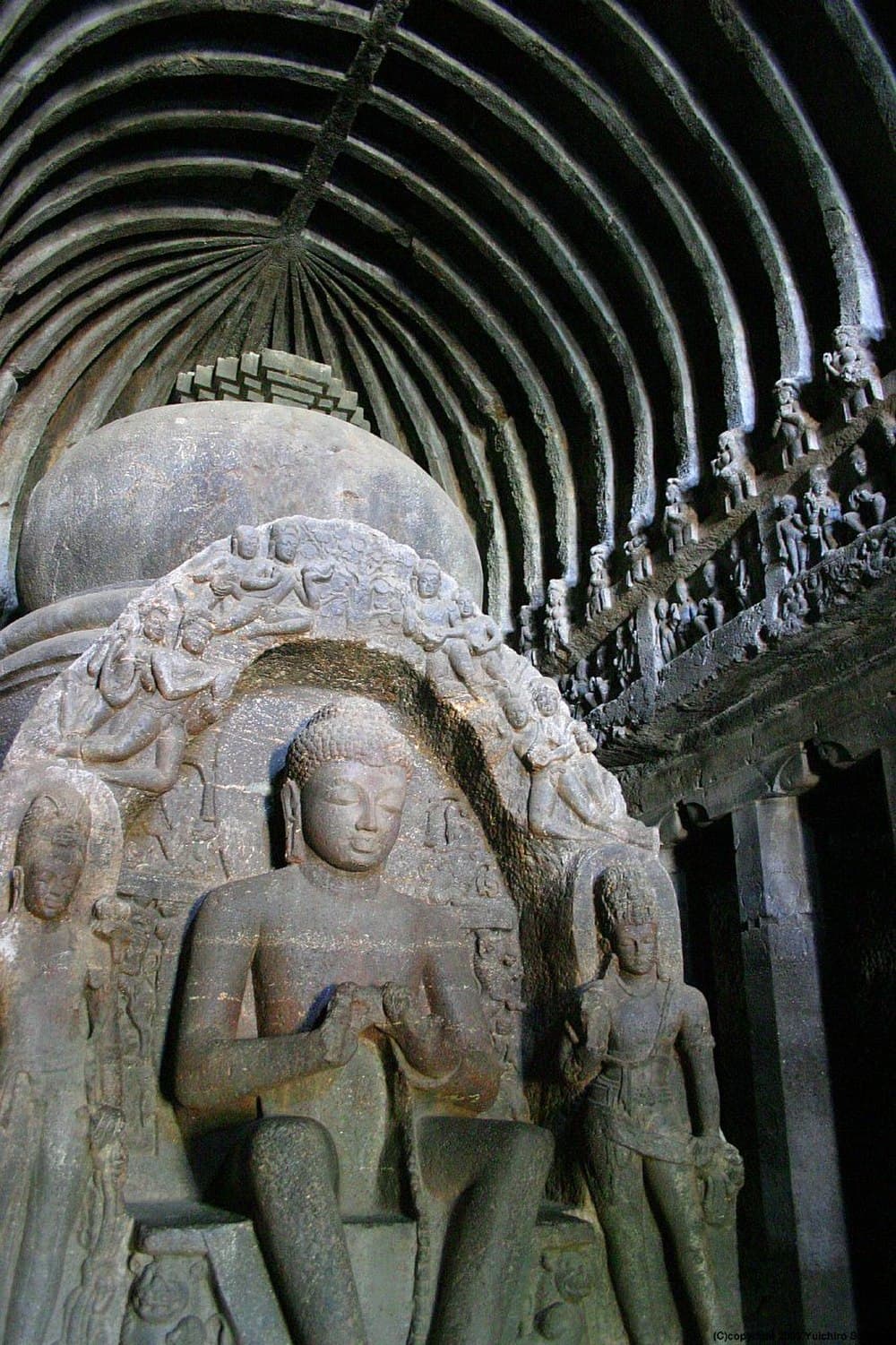

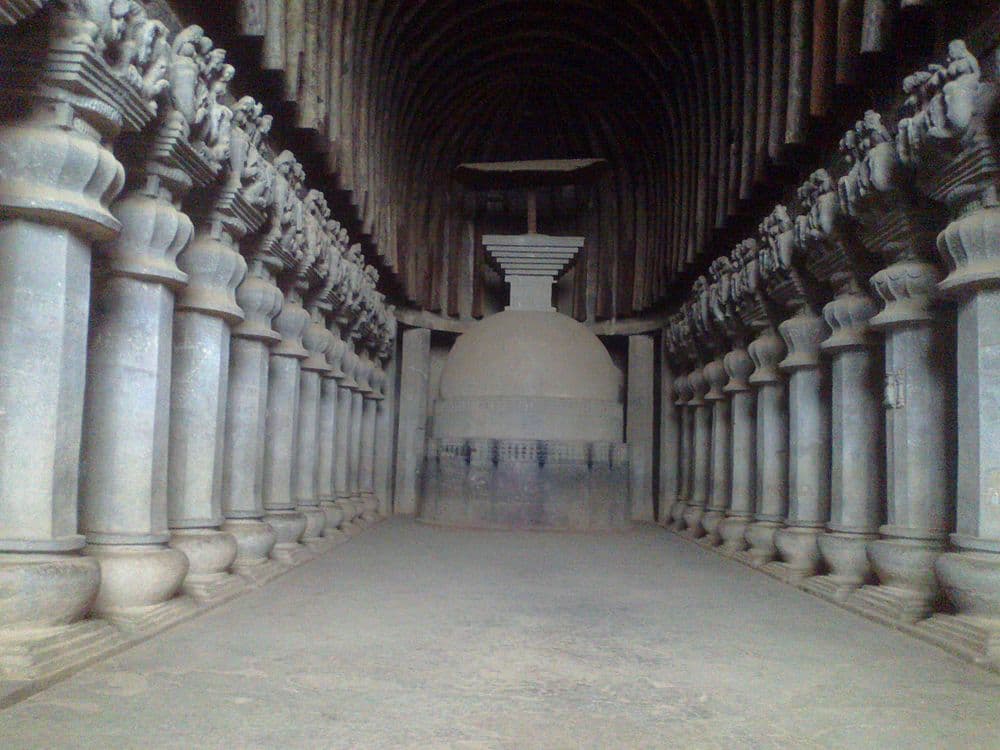


A journey through history awaits you at the Elephanta Caves, a UNESCO World Heritage Site near Mumbai. Carved into the very rock of Elephanta Island (also known as Gharapuri, meaning "city of caves"), these ancient cave temples offer a glimpse into India's rich artistic and spiritual heritage.
Island Escape
A visit can include your adventure with a ferry ride from the iconic Gateway of India. As you cruise across the Mumbai harbor, the city skyline fades into the distance, replaced by the serene beauty of Elephanta Island. The island itself is a haven of tranquility, dotted with remnants of its past.
A Legacy in Stone
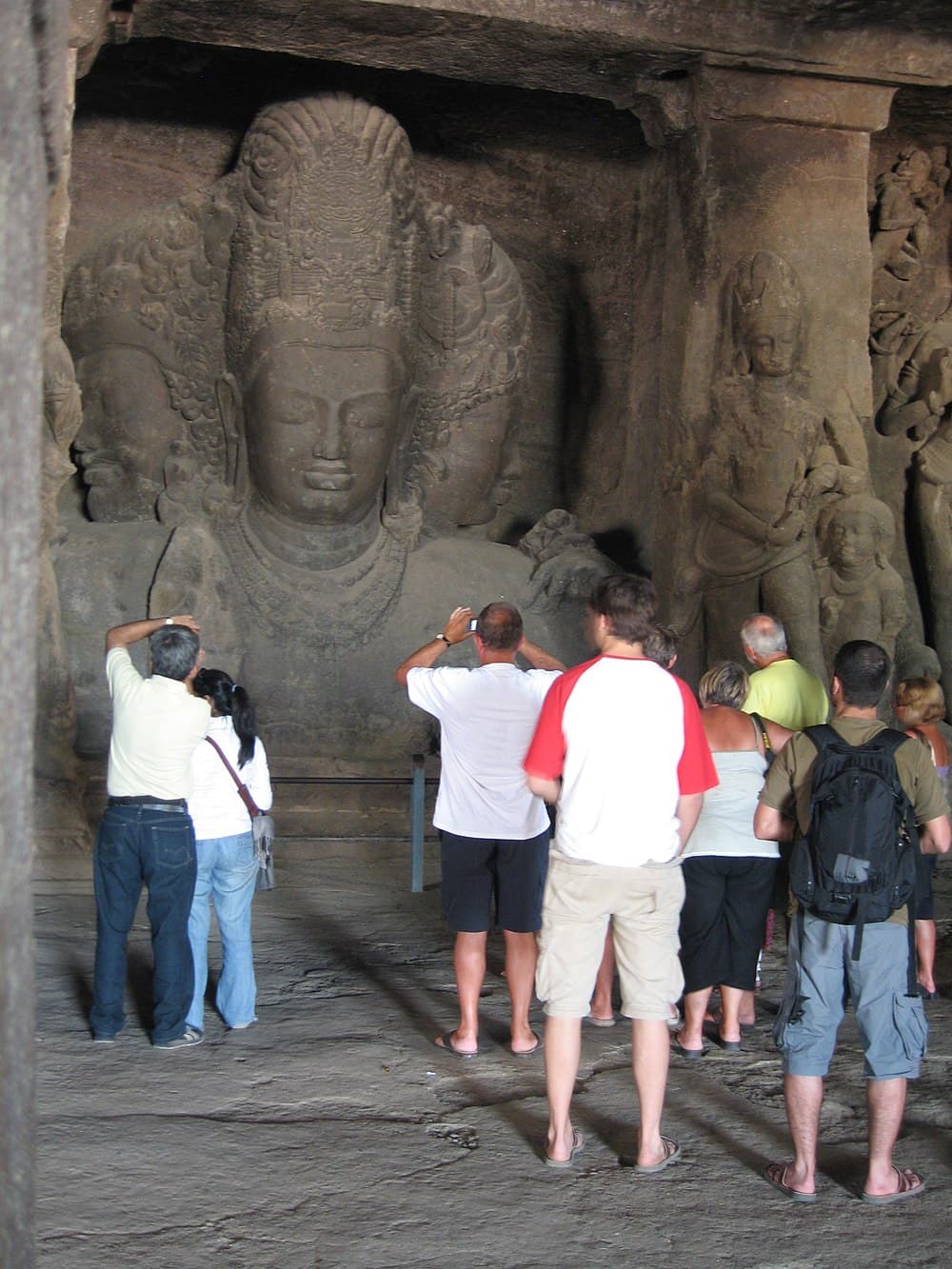
The caves, primarily dating from the 5th to 6th centuries AD, are dedicated to the Hindu god Shiva. The most impressive is Cave 1, also known as the Grand Cave. Step inside to be awestruck by towering sculptures and intricate carvings that depict various aspects of Shiva's life. The highlight is the colossal three-faced "Trimurti" sculpture, showcasing Shiva as the Creator, Preserver, and Destroyer.
Beyond the Grand Cave
The other caves, though smaller, are no less captivating. Each boasts unique sculptures and narratives from Hindu mythology. Look out for depictions of Parvati, Shiva's consort, and stories like the slaying of the demon Andhakasura.
A Fusion of Faiths
Interestingly, the island also holds remnants of Buddhist presence. You might find a few Buddhist stupas and caves dating back to the 2nd century BCE, hinting at the island's rich and diverse past.
Planning Your Trip
The Elephanta Caves are a popular tourist destination, so plan your visit accordingly. Aim for early mornings to avoid crowds and the afternoon heat. Be sure to wear comfortable shoes, as you'll be navigating a series of steps to reach the caves. Photography is allowed, but remember to be respectful of the sacred site.
The Elephanta Caves offer a unique blend of history, art, and spirituality. It's a captivating journey that will leave you with a deeper appreciation for India's ancient wonders.