


A Step Back in Time: Exploring Bach Ma Temple, Hanoi
Nestled amidst the bustling streets of Hanoi's Old Quarter lies the Bach Ma Temple, a haven of tranquility steeped in history. Believed to be Hanoi's oldest temple, Bach Ma (meaning "White Horse") boasts a rich legacy dating back to the 11th century.
Legendary Origins:
Legend tells the tale of Emperor Ly Thai To, who, while searching for a site to build his new capital, encountered a mystical white horse. The horse led him to the current location of the temple, and the emperor, believing it to be a good omen, decided to construct the city walls here. The temple was built to honor this legendary steed.
A Glimpse into the Past:
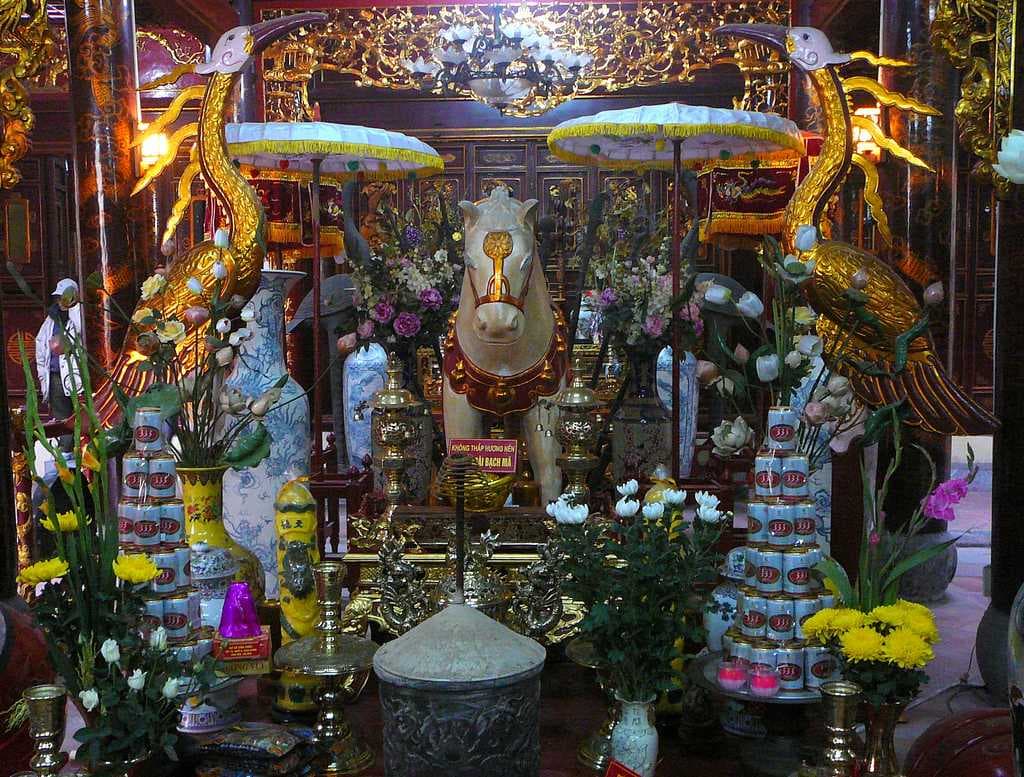
While much of the current structure dates from the 18th century, the temple retains an air of ancient charm. As you step through the intricately carved wooden doors, you'll be greeted by the sight of a beautiful red-lacquered palanquin, traditionally used for funerals. The main sanctuary houses a revered statue of the white horse, a constant reminder of the temple's origins.
Beyond the Historical Significance:
Bach Ma Temple is more than just a historical landmark. It's a place of worship for locals, particularly on the 1st and 15th days of the lunar month when extended prayers, offerings, and ceremonies take place. Witnessing these rituals offers a glimpse into the vibrant religious life of Hanoi.
A Tranquil Escape:
The temple's small size creates an intimate atmosphere. Unlike the grand pagodas found elsewhere, Bach Ma Temple offers a sense of serenity amidst the clamor of the Old Quarter. Take a moment to wander the peaceful grounds, appreciate the architectural details, and soak in the history that surrounds you.
A Convenient Stop:
Due to its central location, Bach Ma Temple is easily integrated into your exploration of the Old Quarter. It's a perfect spot to escape the crowds for a while and gain a deeper appreciation for Hanoi's rich heritage. With free entry, the temple offers a valuable cultural experience without breaking the bank.