
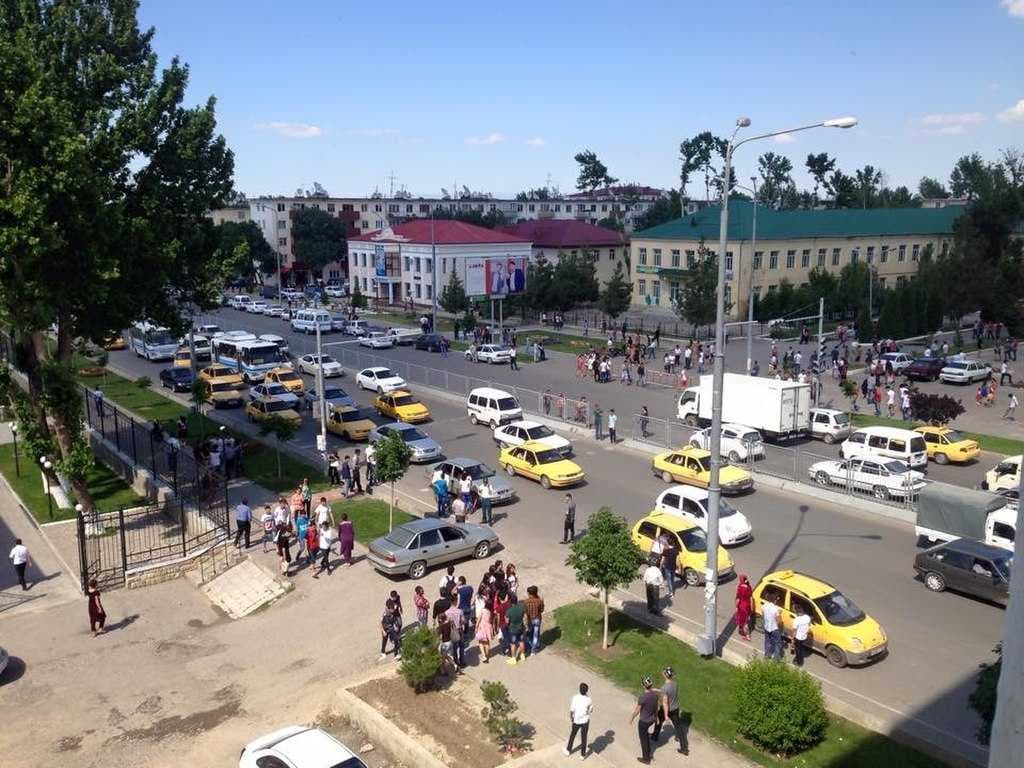

Stepping into Samarkand, Uzbekistan, is like stepping into a living fairytale. This ancient city, once a major hub on the Silk Road, is a dazzling display of Islamic architecture, vibrant culture, and rich history. With towering turquoise domes, intricate mosaics, and bustling bazaars, Samarkand will transport you to another time and place.
A Journey Through Time:
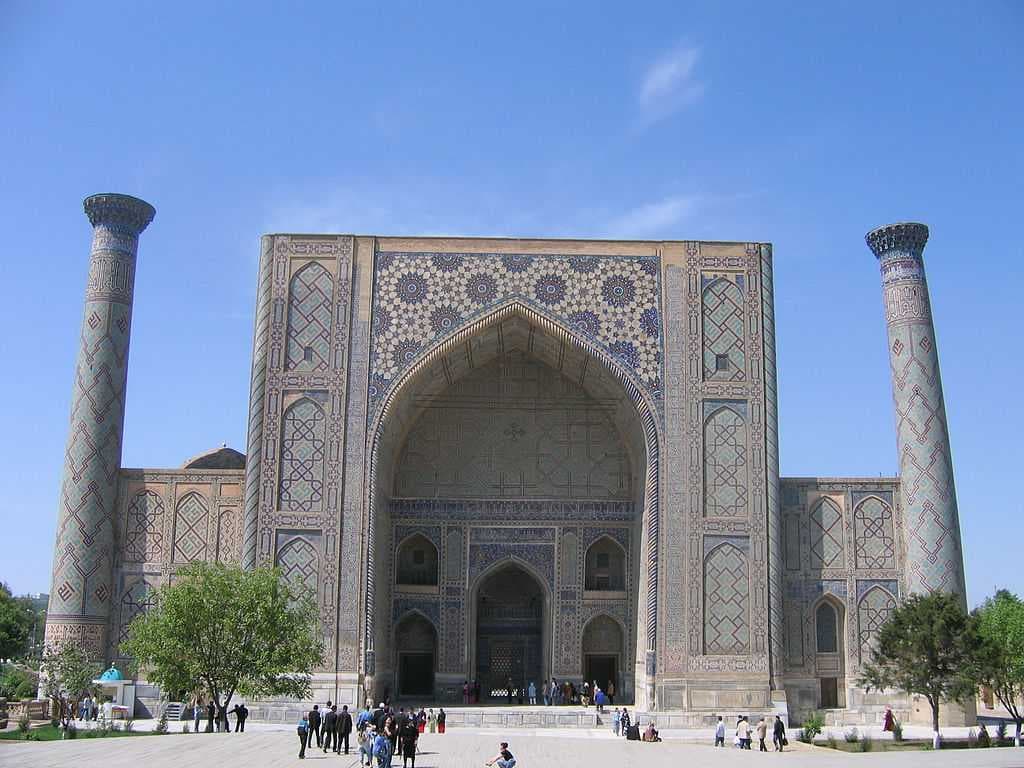
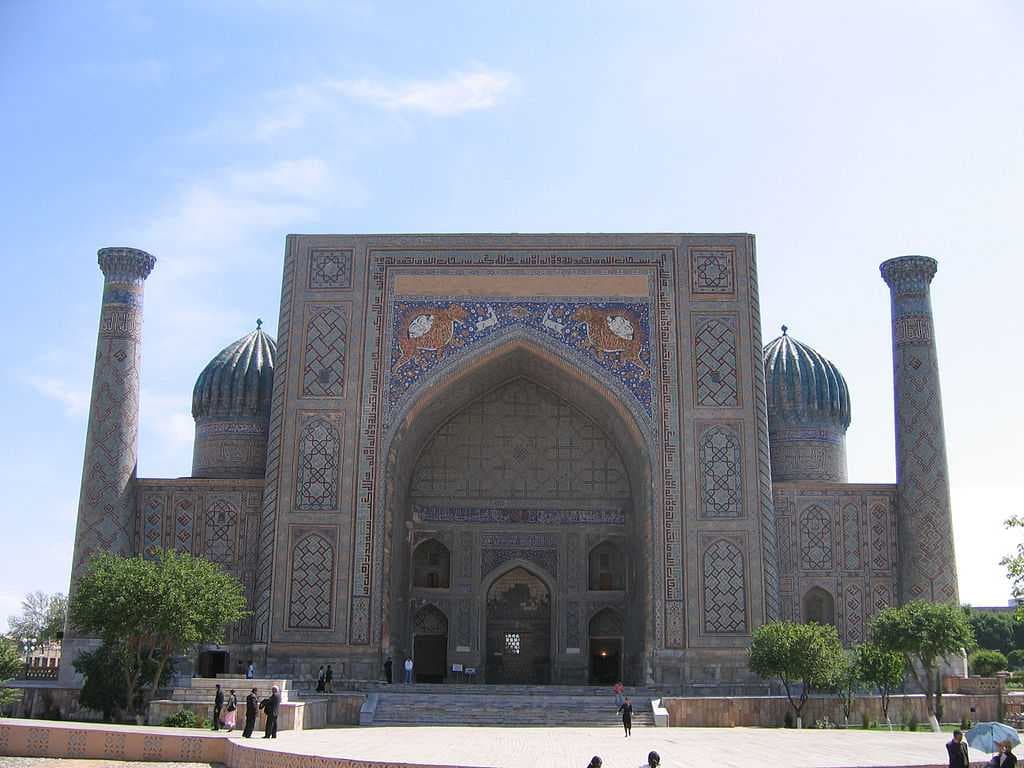
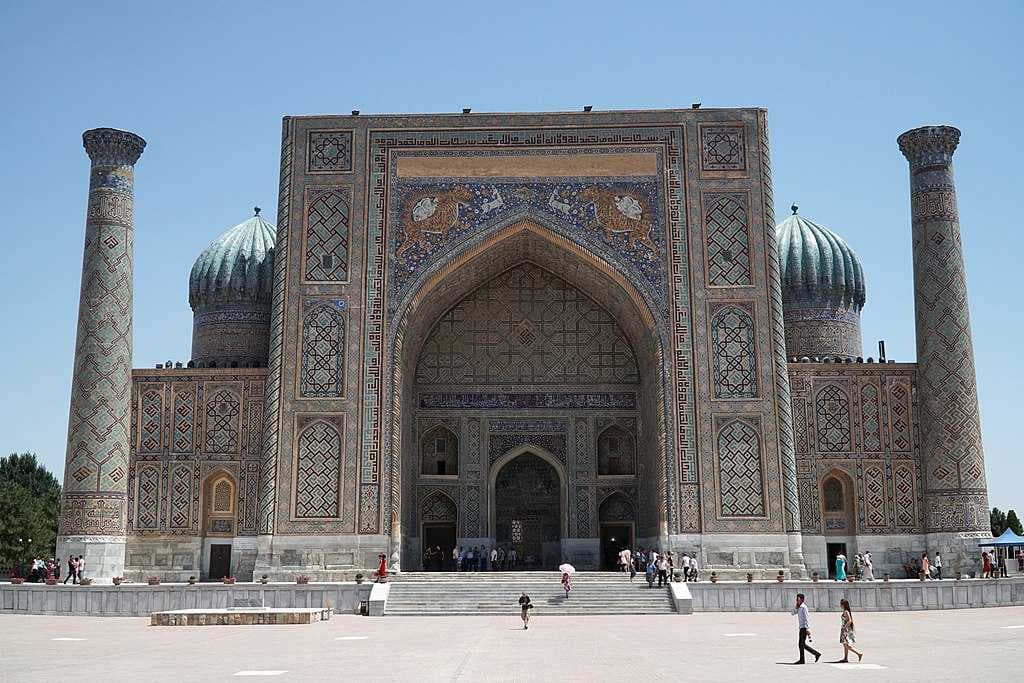
- Registan Square: The crown jewel of Samarkand, Registan Square, is a UNESCO World Heritage Site that boasts three magnificent madrasahs (Islamic schools). Each madrasah is adorned with stunning tilework, intricate calligraphy, and towering arched doorways. As you stand in the center of the square, surrounded by these architectural wonders, you can almost imagine the scholars and merchants who once walked these very grounds.Registan Square, Samarkand
- Gur-Emir Mausoleum: This mausoleum is the final resting place of the legendary conqueror Timur, also known as Tamerlane. The mausoleum is a masterpiece of Timurid architecture, featuring a fluted dome, intricate mosaics, and a giant jade sarcophagus. As you explore the mausoleum, you'll be struck by its grandeur and the legacy of the empire it represents.GurEmir Mausoleum, Samarkand
- Bibi-Khanym Mosque: This massive mosque, built in the 15th century, is a testament to the power and wealth of the Timurid Empire. The mosque's towering pishtak (gateway) is adorned with intricate tilework, and its vast courtyard can accommodate thousands of worshippers. As you wander through the mosque, you'll be awestruck by its sheer size and the artistry that went into its construction.BibiKhanym Mosque, Samarkand
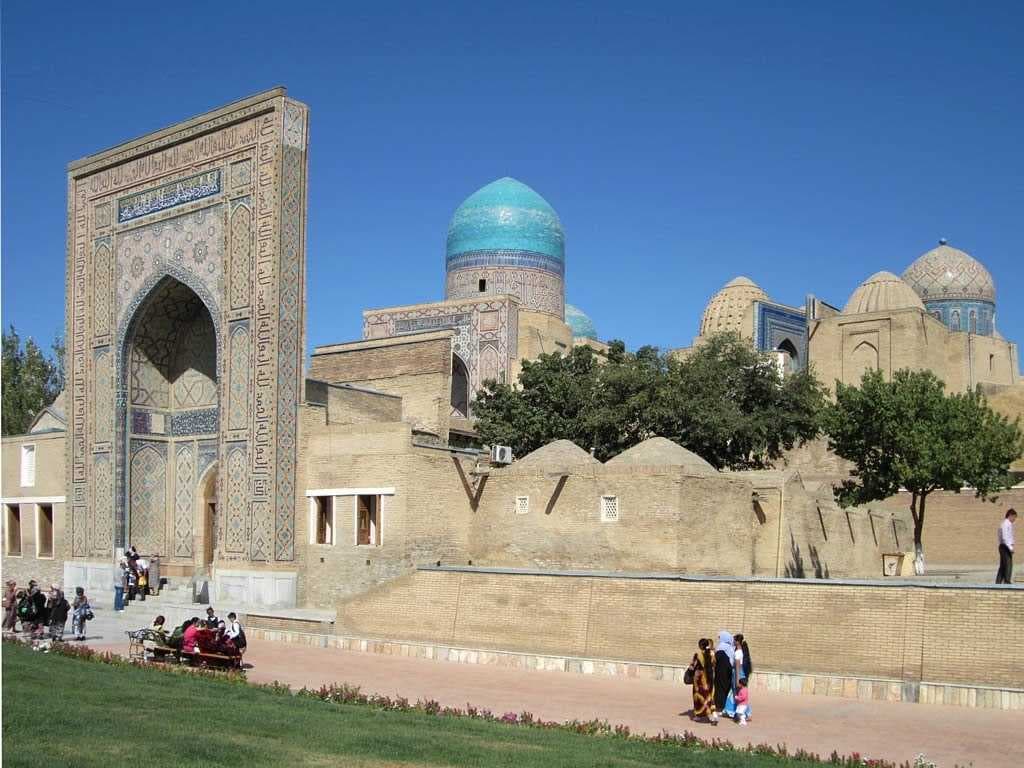
- Shahi-Zinda Necropolis: This necropolis is a collection of mausoleums dedicated to Timurid royalty and nobility. Each mausoleum is unique, with its own distinctive tilework and architectural style. As you wander through the necropolis, you'll feel like you're stepping back in time and into the lives of the Timurid dynasty.ShahiZinda Necropolis, Samarkand
Beyond the Monuments:
- Siab Bazaar: Immerse yourself in the vibrant atmosphere of the Siab Bazaar, one of the oldest and largest bazaars in Central Asia. Here, you'll find a dizzying array of spices, textiles, souvenirs, and handicrafts. Be sure to bargain with the vendors and enjoy a cup of traditional Uzbek tea in one of the many teahouses.Siab Bazaar, Samarkand
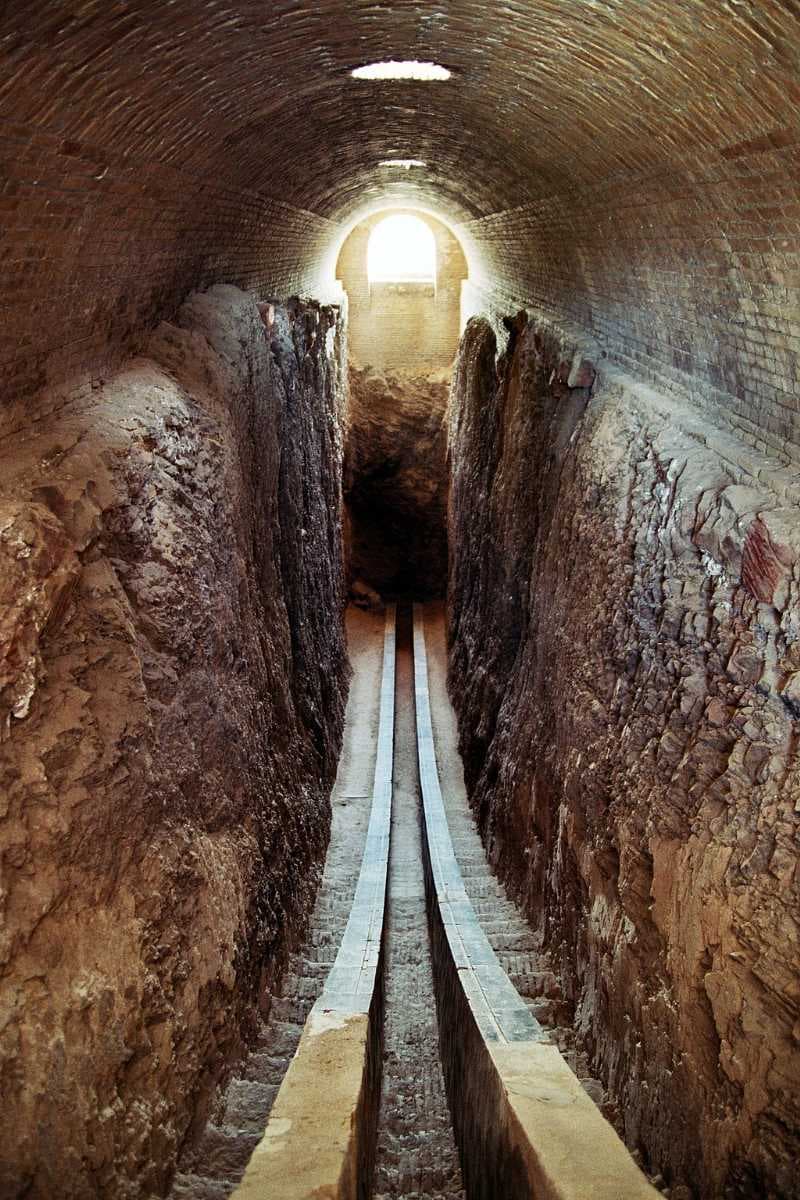
- Observatory of Ulugbek: Step back in time to the 15th century at the Observatory of Ulugbek, one of the most important astronomical observatories in the Islamic world. Learn about the groundbreaking work of Ulugbek, a Timurid astronomer who made significant contributions to the field of astronomy.Observatory of Ulugbek, Samarkand
- Cooking Class: Learn the secrets of Uzbek cuisine by taking a cooking class. You'll learn how to prepare traditional dishes like plov (a rice dish with meat and vegetables) and manty (dumplings). Enjoy your delicious creations at the end of the class.
A feast for the senses:
- Uzbek Cuisine: Uzbek cuisine is a delicious blend of Turkish, Persian, and Mongolian influences. Be sure to try plov, manty, shashlik (skewered meat), and samsa (pastries filled with meat or vegetables).Uzbek shashlik
- Music and Dance: Uzbek music is a vibrant and dynamic tradition. Enjoy a performance of traditional music and dance, and be sure to clap along to the rhythm.
Tips for your trip:
- The best time to visit Samarkand is in the spring (March-May) or fall (September-November), when the weather is pleasant.
- Uzbek is the official language, but Russian is also widely spoken.
- The currency in Uzbekistan is the Uzbek som (UZS). You can exchange your currency at banks or exchange offices.
- It is customary to bargain when shopping at bazaars.
- Dress modestly, especially when visiting religious sites.
Samarkand is a city that will stay with you long after you leave. With its stunning architecture, rich history, and vibrant culture, Samarkand is a truly unforgettable destination.