
Panipat: Where History Echoes and Textiles Thrum
Panipat, in the heart of Haryana, India, isn't just another city. It's a living tapestry woven from threads of ancient battles, vibrant textiles, and modern industry. Prepare to be captivated by its unique blend of past and present, where whispers of history mingle with the hum of textile looms.
Echoes of Battles:
Panipat's claim to fame lies in its role as a battleground for three pivotal clashes that shaped the course of Indian history:
- 1526: Babur, founder of the Mughal Empire, secured a decisive victory over Ibrahim Lodi, marking the beginning of Mughal rule in India.Panipat Battle 1526 Painting
- 1556: Akbar, grandson of Babur, defeated Hemu Vikramaditya, solidifying Mughal control over North India.Panipat Battle 1556 Painting
- 1761: Ahmad Shah Abdali, Afghan ruler, defeated Maratha forces, altering the political landscape of the region.Panipat Battle 1761 Painting
Witnessing History:
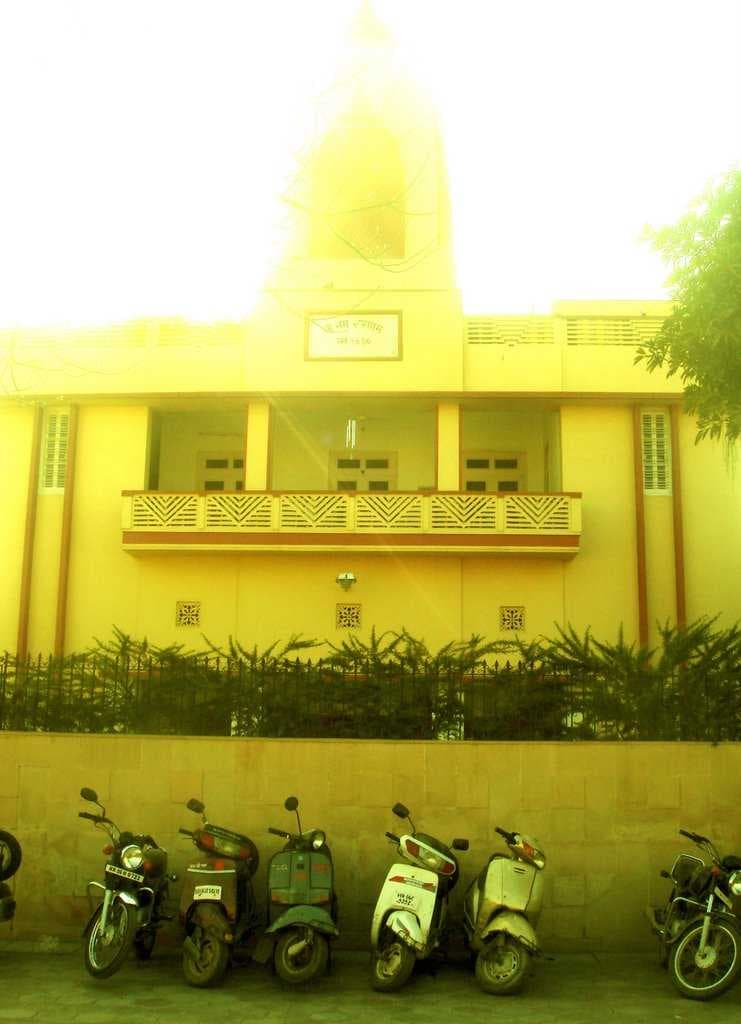
- Panipat Museum: Delve into the city's fascinating past at the Panipat Museum. Admire ancient weapons and armor, discover intricate artifacts, and learn about the battles that shaped Panipat's destiny.Panipat Museum
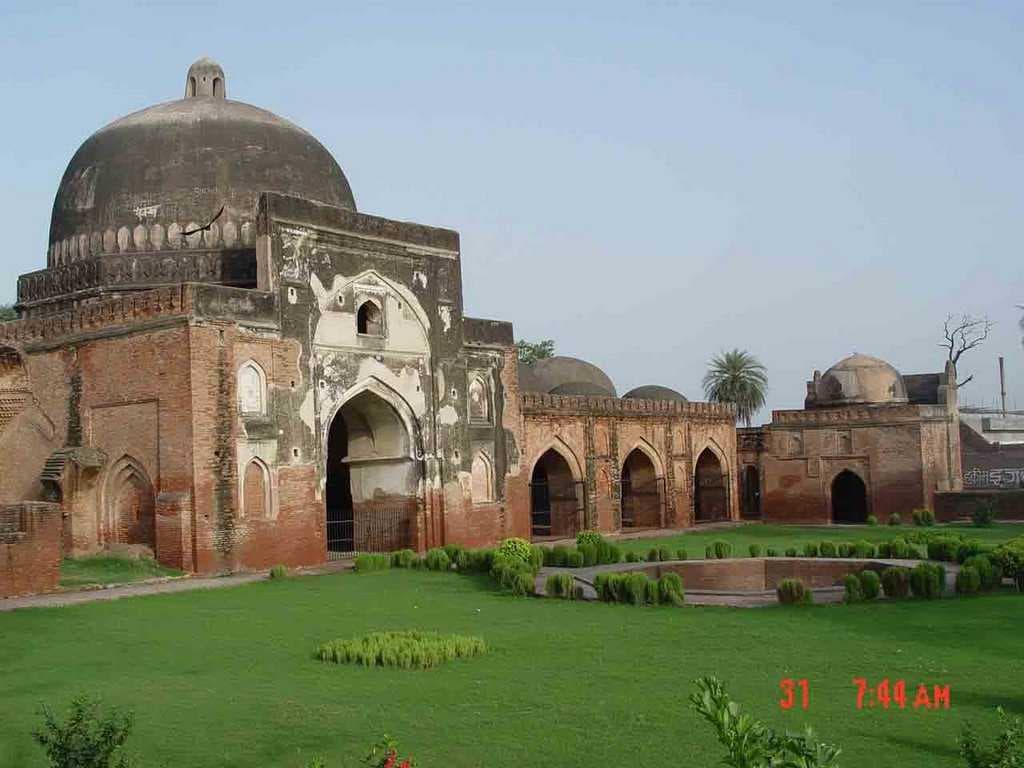
- Kabuli Bagh Mosque: Step back in time at the Kabuli Bagh Mosque, built by Emperor Babur after his victory in 1526. This elegant structure exemplifies Mughal architectural style, with towering minarets and intricate tilework.Kabuli Bagh Mosque, Panipat
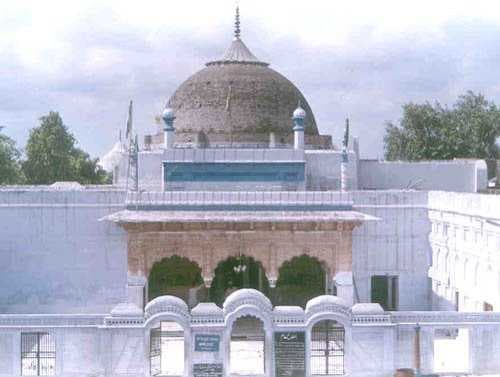
- Tomb of Ibrahim Lodi: Pay your respects at the Tomb of Ibrahim Lodi, a poignant reminder of the 1526 battle. This octagonal structure, surrounded by lush gardens, offers a glimpse into the lives of Panipat's rulers.Tomb of Ibrahim Lodi, Panipat
Textile Capital:
Panipat has earned its title as the "City of Weavers." Its bustling streets hum with the rhythmic sounds of looms, weaving magic into cotton, wool, and silk.
- Textile Markets: Explore the vibrant bazaars overflowing with textiles of every color and texture. Bargain for handloom sarees, admire intricate tapestries, and discover the craftsmanship that makes Panipat renowned for its fabrics.Textile market in Panipat
- Shoddy Yarn Industry: Witness the unique world of "shoddy yarn," where discarded textiles are recycled into new threads, giving them a second life and highlighting Panipat's sustainable spirit.
- Carpet Capital: Panipat boasts the legacy of being the largest producer of carpets in India. Visit workshops and showrooms to marvel at the intricate designs and rich colors of these woven masterpieces.Carpet weaving in Panipat
Beyond History and Textiles:
Panipat offers more than just historical sites and buzzing markets.
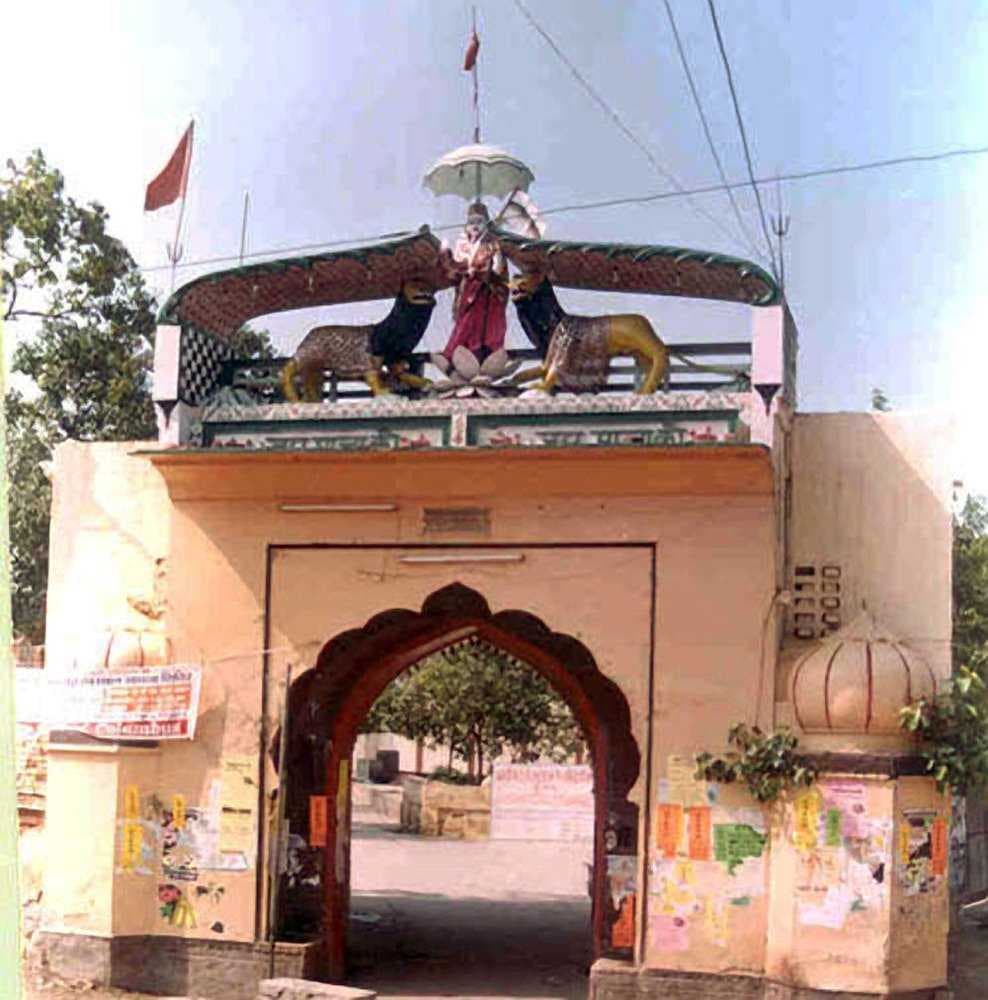
- Devi Temple: Find serenity at the Devi Temple, a beautiful Hindu temple dedicated to Goddess Durga. Its intricate carvings and serene atmosphere make it a popular pilgrimage destination.Devi Temple, Panipat
- Kala Amb Park: Breathe fresh air and explore the historic Kala Amb Park, named after a Sufi saint. Once a battlefield, the park now offers peaceful picnic spots and scenic lakes.Kala Amb Park, Panipat
- Modern Amenities: Enjoy the comforts of modern life with excellent hotels, restaurants serving diverse cuisines, and convenient transportation options.
Tips for Travelers:
- The best time to visit Panipat is during the winter months (October to March) when the weather is pleasant.
- Hindi is the most widely spoken language, but English is understood in tourist areas.
- Be prepared for crowds during festivals like Diwali and Holi.
- Dress modestly when visiting religious sites.
- Bargain when shopping in the markets.
Panipat is a city that rewards the curious traveler. Take a step back in time, immerse yourself in the world of textiles, and discover the modern vibrancy that pulsates beneath its historic surface. Panipat awaits you with a story to tell, woven with threads of the past, present, and future.
Remember, I'm always here to help you plan your trip. If you have any specific questions about Panipat, feel free to ask!