
Dibru-Saikhowa National Park: Where Wild Winds Dance and Wildlife Reigns
Picture emerald grasslands swaying in the breeze, shimmering rivers snaking through a maze of evergreen forests, and the distant call of the one-horned rhino – Dibru-Saikhowa National Park in Assam, India, paints a breathtaking canvas of untamed wilderness. It's not just a park; it's a symphony of wildlife, a playground for adventurers, and a sanctuary for endangered souls seeking the embrace of nature.
A Landscape Painted by Wild Brushstrokes:
Their powerful presence commands respect, their deep bellow echoing through the valley.
DibruSaikhowa National Park grasslandsAs the sun dips low, casting long shadows across the savanna, catch a glimpse of the elusive wild horse, their fiery coats and spirited gallops a reminder of untamed freedom.
Wild horses in DibruSaikhowa National ParkFor a change of scenery, delve into the cool embrace of the park's evergreen and deciduous forests. Breathe in the refreshing aroma of moist earth and listen to the symphony of birdsong, from the vibrant calls of hornbills to the haunting melodies of hoolock gibbons.
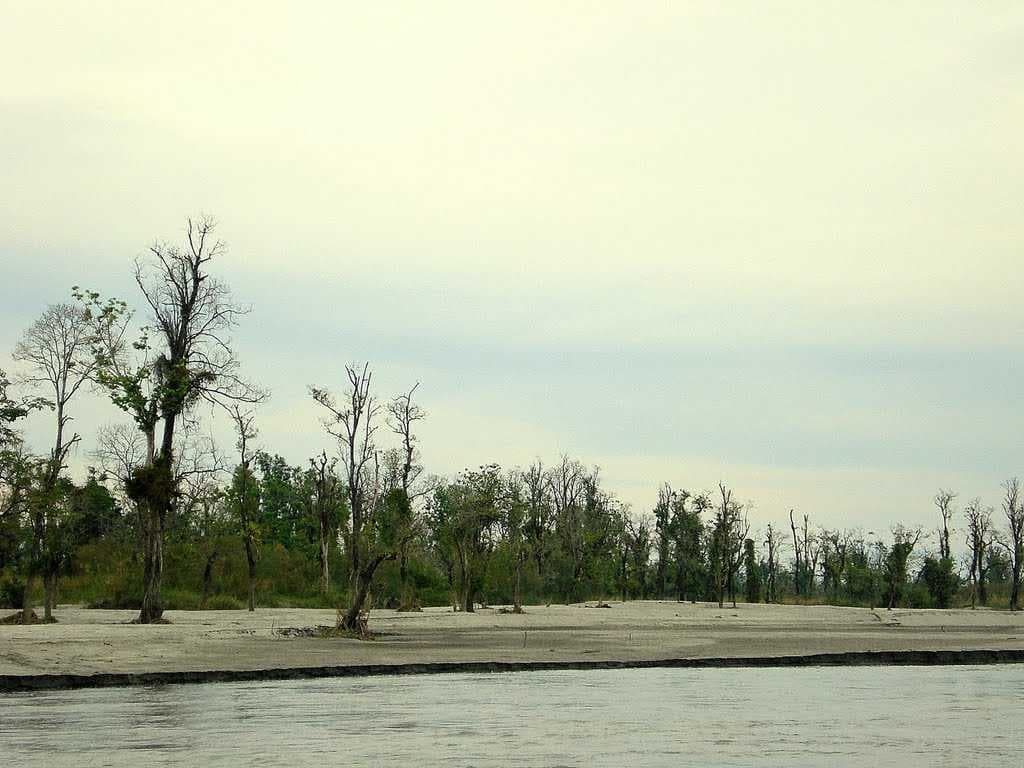
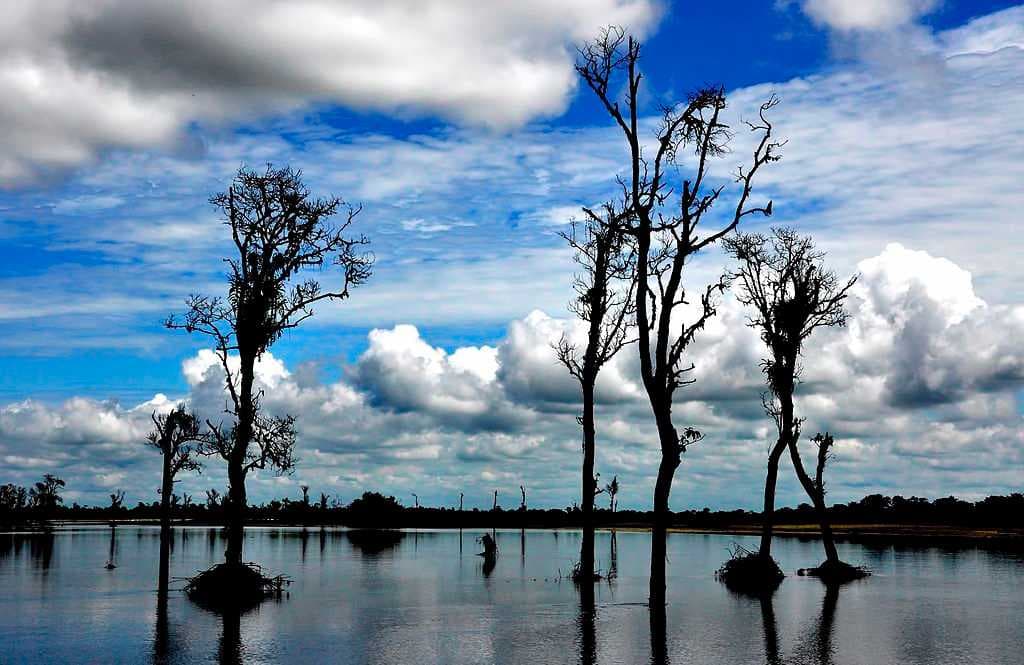
Hoolock gibbon in DibruSaikhowa National ParkIn the heart of the park lies the magnificent Salix swamp forest, the largest of its kind in Northeast India. This unique ecosystem, with its intricate roots and ethereal beauty, is a haven for diverse flora and fauna.
A Kingdom Where Wildlife Holds Court:
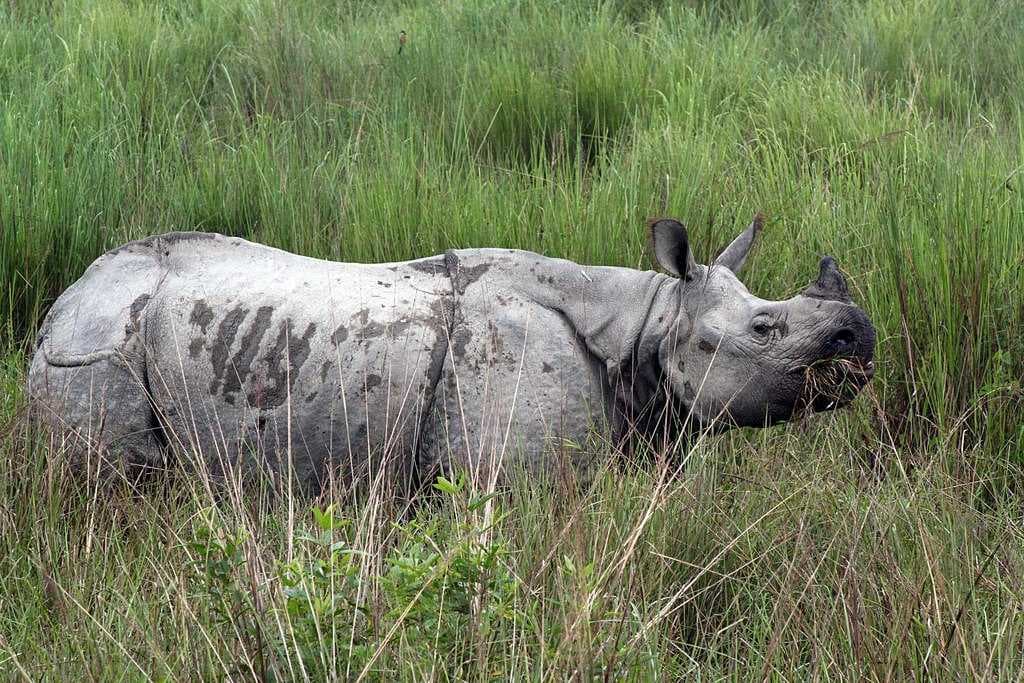
Dibru-Saikhowa is a refuge for over 60 species of mammals, 500 species of birds, and countless reptiles, amphibians, and fish. Be awed by the majestic Royal Bengal Tiger, the elusive one-horned rhinoceros, and the playful Asian elephant with their calves in tow.
Asian elephant with calves in DibruSaikhowa National ParkLook for the golden langur swinging through the trees, their playful leaps and acrobatic skills enchanting the jungle canopy. Watch as marsh crocodiles bask in the sun along the riverbanks, their prehistoric stillness a reminder of the ancient past.
In the winter months, when the grasslands transform into a golden ocean of reeds, witness the incredible spectacle of raptor gatherings. Eagles, kites, and harriers soar through the sky, their keen eyes searching for prey.
Beyond the Jeep Safari:
Dibru-Saikhowa offers adventures beyond the traditional jeep safari. For a thrilling experience, embark on an elephant ride, gliding through the tall grass and getting a unique perspective of the wildlife.
Elephant ride in DibruSaikhowa National ParkFor a dose of tranquility, paddle down the Dibru River on a serene boat ride, spotting turtles sunning themselves on logs and birds flitting between the reeds.
Avid trekkers can explore the park's hidden trails, encountering hidden waterfalls and discovering ancient ruins that whisper tales of the region's rich history.
A Cultural Tapestry Woven with Tradition:
- Dibru-Saikhowa National Park is not just a haven for wildlife; it's home to diverse indigenous communities like the Bodos, Rabhas, and Koch Rajbongshis who have lived in harmony with the forest for centuries. Witness their vibrant dances, listen to their captivating folktales, and learn about their traditional way of life.Bodo tribe people in DibruSaikhowa National Park
Planning Your Dibru-Saikhowa Escape:
The best time to visit Dibru-Saikhowa National Park is between October and March, when the weather is pleasant and the wildlife is most active.
The park is easily accessible by road from Tinsukia and Dibrugarh. Regular buses and taxis ply these routes.
Pack for all weather conditions, including comfortable clothing, sturdy shoes, insect repellent, and binoculars. Monsoon season (June to September) can bring heavy showers, so pack an umbrella or raincoat.
**Dibru-Saikhowa National Park is more than just a destination; it's an