
![Cave no. 11 (above) and 12 are three storey monasteries cut out of a rock, with Vajrayana iconography inside.[23]](/_next/image?url=https%3A%2F%2Ftripscraperstorage.blob.core.windows.net%2Ftripscraper%2FImages%2FIndia%2Fplaces%2FAjanta%20and%20Ellora%20Caves%2F10.jpg&w=3840&q=75)


Prepare to enter a realm carved from time itself, where ancient stories dance on stone walls and echoes of devotion linger in the air. Welcome to Ajanta and Ellora Caves, Maharashtra, India – a UNESCO World Heritage Site that will leave you awestruck with its artistic majesty and spiritual depth.
Ajanta: Where Paintings Come Alive
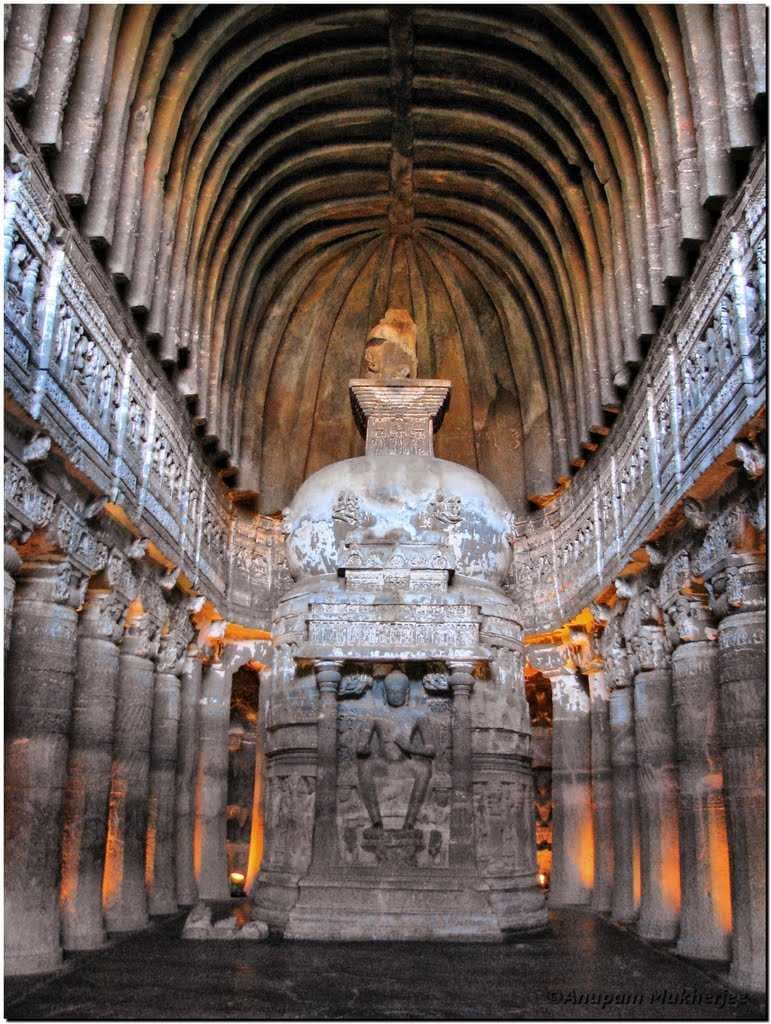
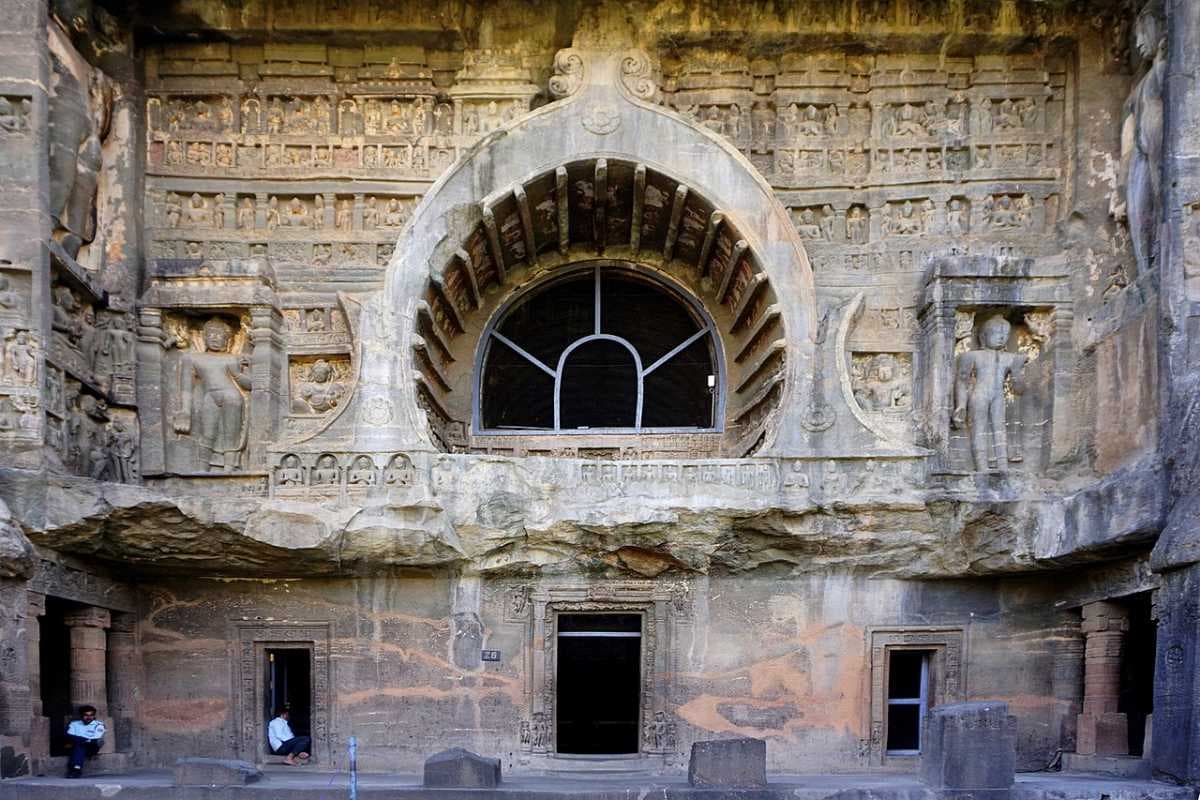
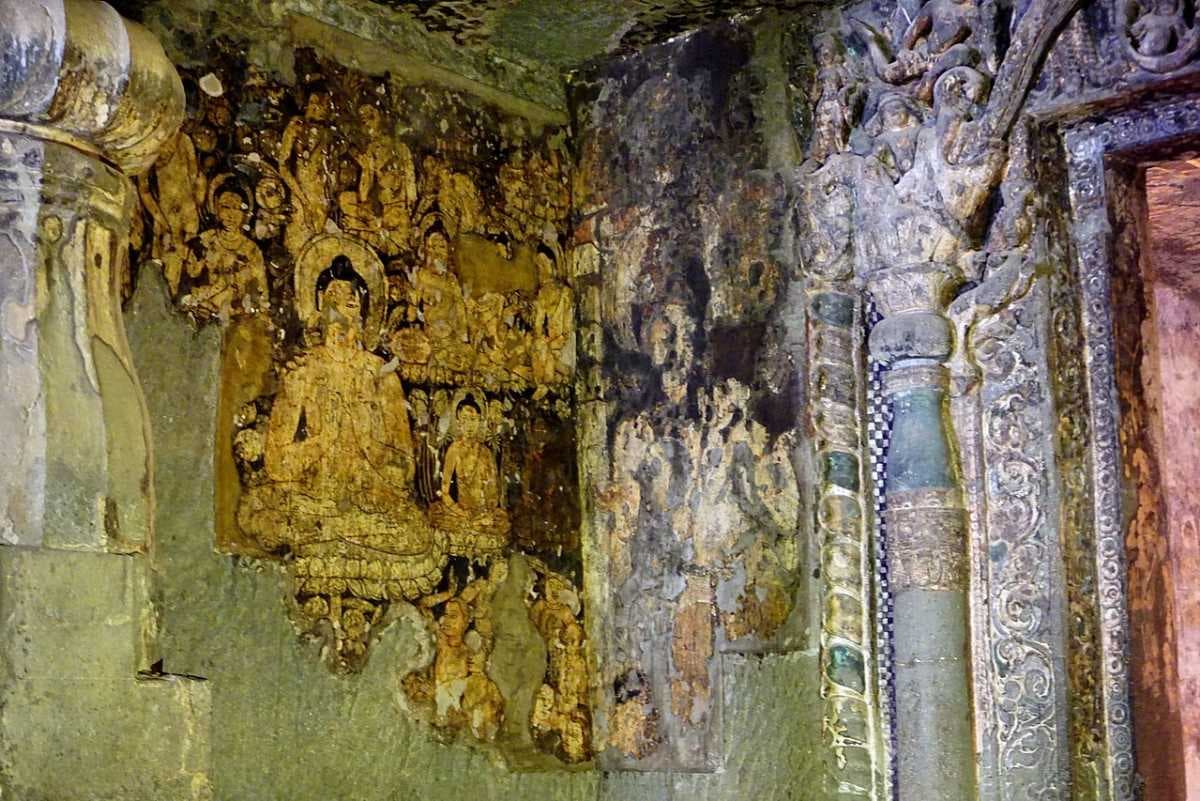
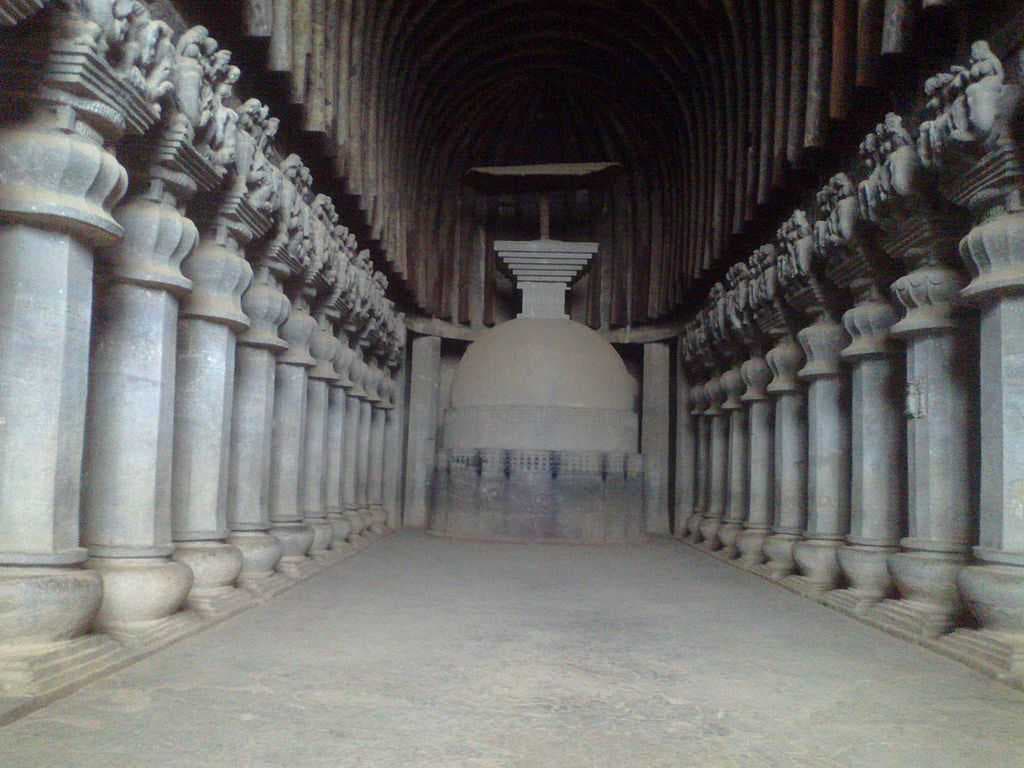
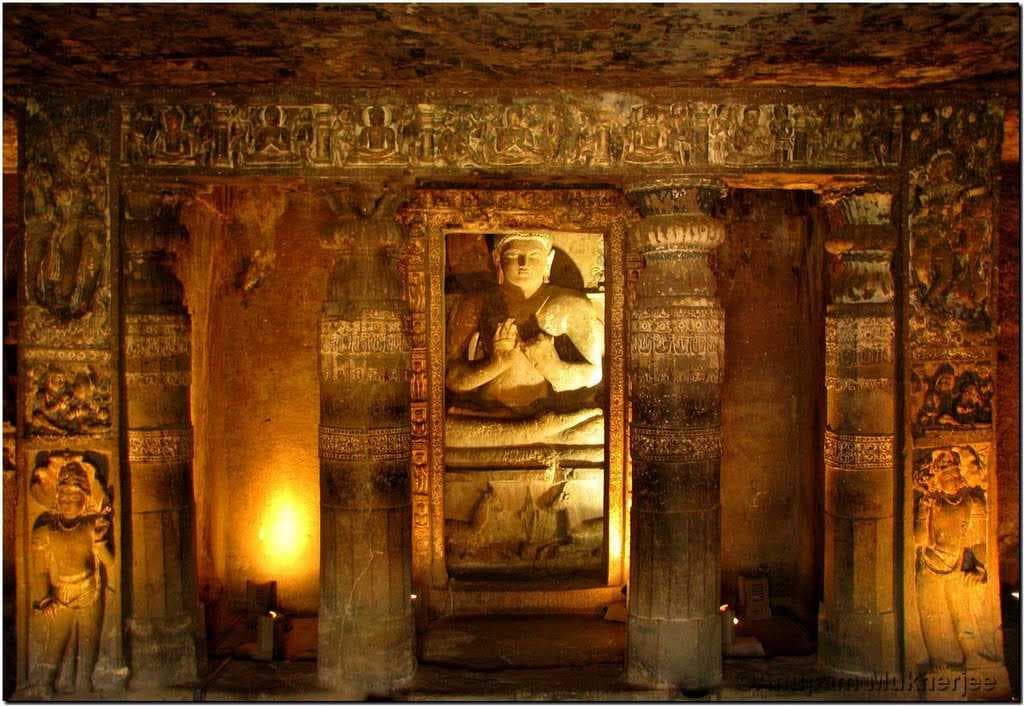
Nestled amidst the rugged beauty of the Deccan Plateau, Ajanta boasts 29 rock-cut caves adorned with breathtaking murals and sculptures. Dating back to the 2nd century BC, these caves are a testament to the skill and imagination of early Indian artists. As you step into the cool embrace of the caves, prepare to be mesmerized by a symphony of color and form.
Cave 1: Bathe in the celestial glow of the Padmapani Bodhisattva mural, a masterpiece of grace and serenity. The delicate brushstrokes and vibrant colors will transport you to a realm of divine beauty.
Cave 26: Witness the Jataka tales, stories of the Buddha's past lives, come alive in vivid detail. Each panel tells a fascinating narrative, transporting you through time and space.
Cave 17: Marvel at the exquisite sculptures depicting scenes from Buddhist mythology. The intricate carvings and expressive figures speak volumes about the faith and devotion of the artists.
Ellora: A Symphony of Stone
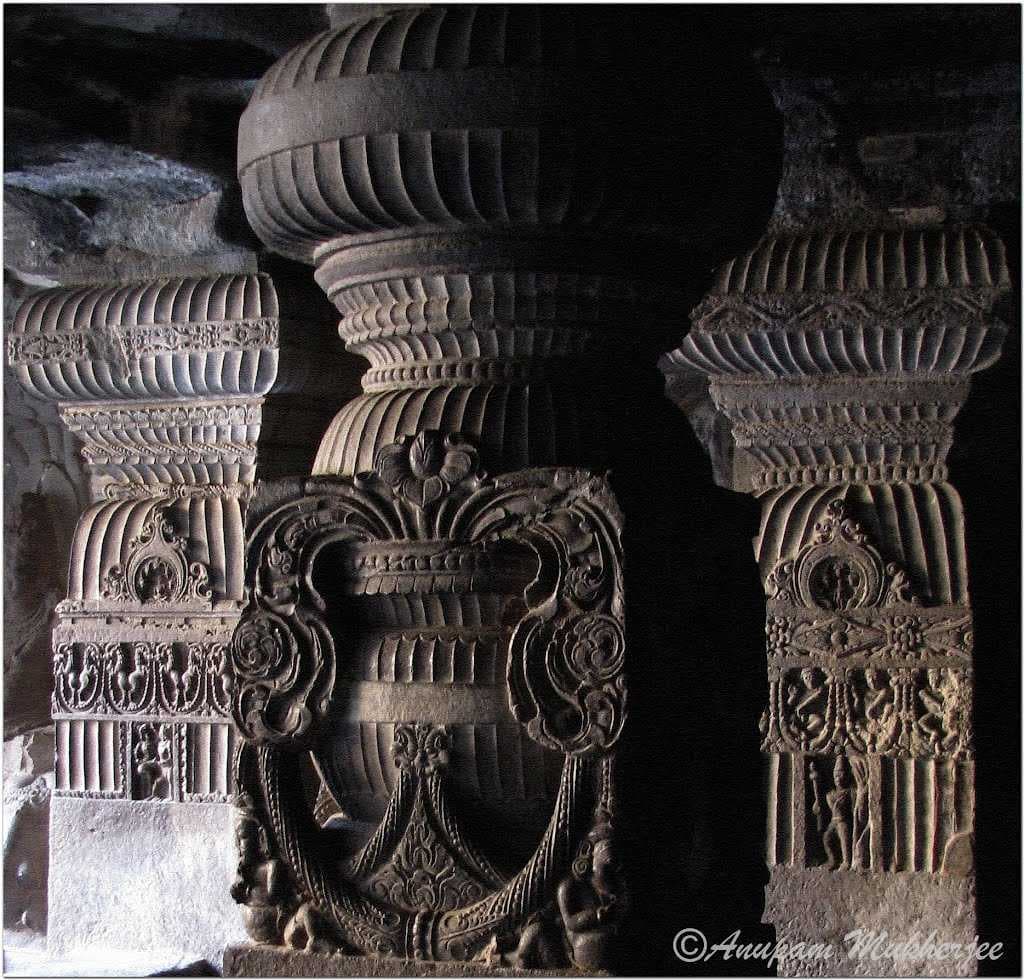
Just 100 kilometers away, Ellora presents a contrasting yet equally captivating spectacle. Unlike Ajanta's focus on paintings, Ellora boasts 34 caves carved with monumental sculptures and intricate architectural details. Spanning a period of over 600 years, these caves represent a harmonious blend of Buddhism, Hinduism, and Jainism.
Kailasa Temple (Cave 16): Stand in awe before the single largest rock-cut temple in the world. Dedicated to Lord Shiva, this architectural marvel is a testament to human ingenuity and devotion.
Dashavatara Cave (Cave 15): Witness the ten incarnations of Lord Vishnu carved in exquisite detail. Each panel showcases a different form of the deity, reflecting the vastness and complexity of Hindu mythology.
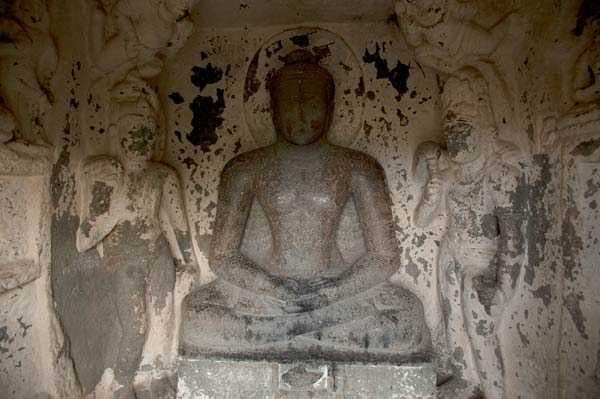
Jain Caves (Caves 30-34): Immerse yourself in the serenity of Jainism. These caves boast intricate carvings and peaceful sculptures, offering a glimpse into the philosophy of non-violence and spiritual tranquility.
Beyond the Caves:
Ajanta and Ellora are not just about ancient marvels. The surrounding landscape offers a feast for the senses.
Waghora River: Take a boat ride on the serene Waghora River, enjoying the breathtaking views of the Ajanta caves from a different perspective.
Grishneshwar Temple: Immerse yourself in the vibrant aura of this ancient Shiva temple, located near the Ellora caves.
Aurangabad: Explore the bustling city of Aurangabad, home to the Bibi Ka Maqbara and other Mughal architectural wonders.
A Journey Through Time and Spirit:
A visit to Ajanta and Ellora Caves is not just a sightseeing trip; it's a journey through time and spirit. It's a chance to connect with the ancient world, to marvel at the power of human creativity, and to find yourself amidst the echoes of faith and devotion. So, pack your bags, your camera, and an open mind, and prepare to be enchanted by this timeless wonder of India.
Here are some additional tips for your trip:
- The best time to visit is between October and March when the weather is pleasant and sunny.
- Wear comfortable shoes as you'll be doing a lot of walking.
- Carry a flashlight as some of the caves are poorly lit.
- Photography is allowed in most caves, but avoid using flash.
- Respect the religious significance of the site and dress modestly.
I hope this description has given you a glimpse into the magic of Ajanta and Ellora Caves. Now, go forth and experience it for yourself!